
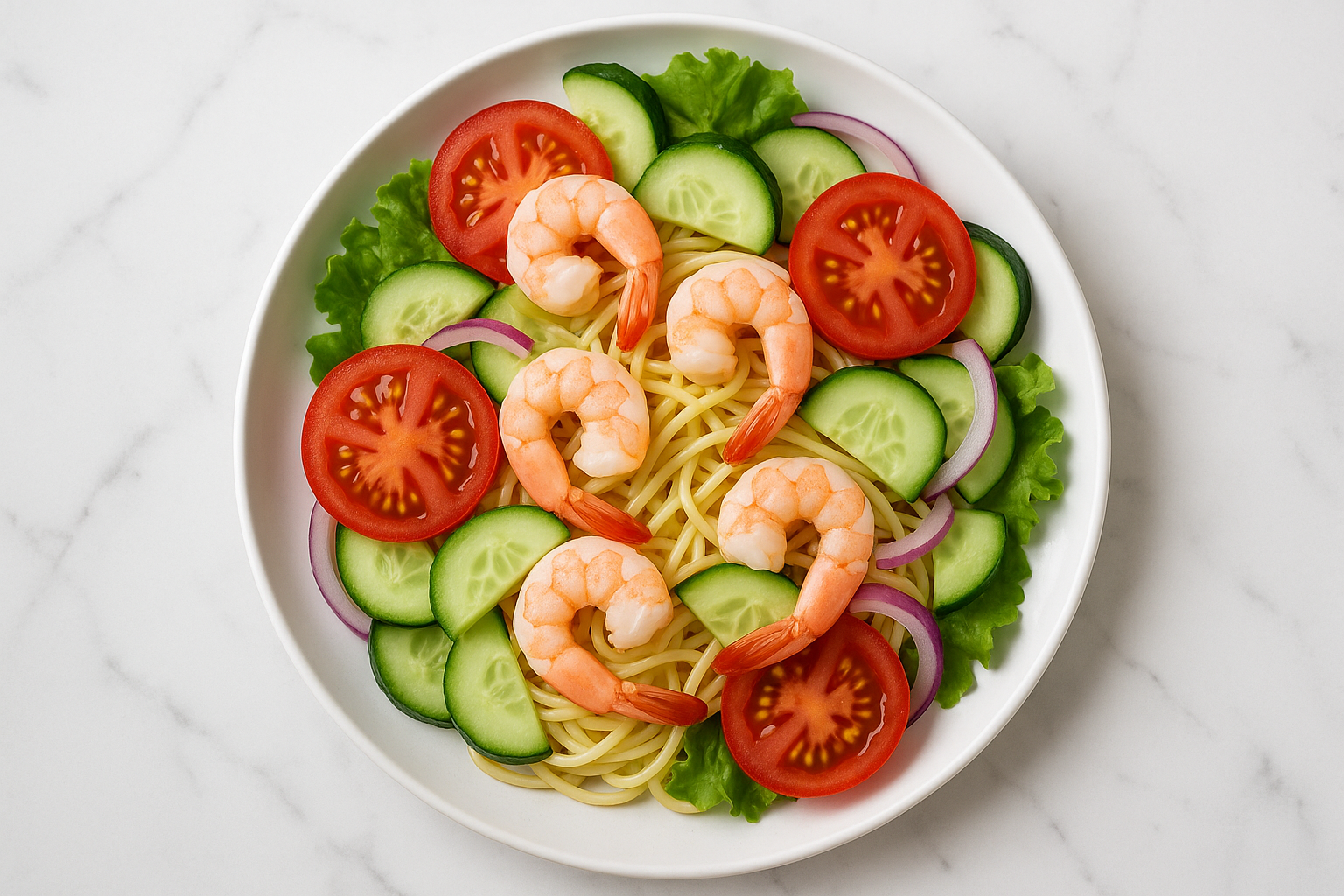
When the temperature rises, the last thing you want is to heat up your kitchen with an oven. This no oven dinner idea for hot weather focuses on fresh ingredients and minimal cooking. The dish combines crisp vegetables with a light, tangy dressing, creating a meal that is both satisfying and cooling. With a quick preparation time, you can enjoy a delicious meal without breaking a sweat.
Why This Recipe Works
- Incorporating fresh vegetables maintains their natural crunch and bright hues, enhancing the dish’s visual appeal and providing a refreshing contrast to cooked components.
- The light dressing combines citrus and olive oil, adding a tangy flavor that complements the natural sweetness of the vegetables.
- This recipe requires minimal cooking, which helps maintain a cooler kitchen environment, especially during hot weather when reducing heat is essential.
- The recipe is versatile, allowing for easy substitutions based on available ingredients or dietary preferences.
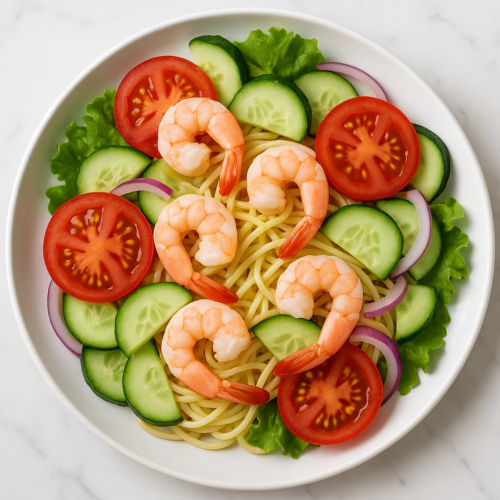
No Oven Summer Salad
Ingredients
- 2 tbsp olive oil extra virgin
- 1 tbsp lemon juice freshly squeezed
- 1 tsp honey
- 1 clove garlic minced
- 1/4 tsp salt
- 1/4 tsp black pepper freshly ground
- 2 cups mixed greens washed and dried
- 1 avocado sliced
- 1 tomato diced
- 1/4 red onion thinly sliced
- 1/4 cup feta cheese crumbled
- 1/4 cup almonds sliced and toasted
Instructions
- In a small bowl, vigorously whisk together olive oil, lemon juice, honey, and finely minced garlic until the mixture is smooth and emulsified. Ensure the ingredients are thoroughly blended. Season with a pinch of salt and freshly ground black pepper, adjusting to your preference. The dressing should have a balanced, tangy aroma.
- In a large bowl, combine the mixed greens, sliced avocado, diced tomato, and thinly sliced red onion. Use a gentle tossing motion to ensure the ingredients are evenly distributed. Look for a vibrant mix of colors and make sure the avocado remains intact without mashing. This step should take about two minutes.
- Drizzle the prepared dressing evenly over the mixed greens, avocado, tomato, red onion, and feta cheese. Gently toss the salad using two large spoons, ensuring all ingredients are well-coated. Look for a glossy sheen on the vegetables, indicating even distribution. Serve immediately for optimal freshness and texture.
- Evenly distribute crumbled feta cheese and toasted sliced almonds over the mixed greens. Gently toss the salad to ensure the toppings are well incorporated, adding a creamy texture from the cheese and a crunchy element from the almonds. This step enhances the overall texture and visual appeal of the dish.
- Sample the salad to evaluate the seasoning. If needed, sprinkle additional salt or black pepper, tasting as you go to achieve a balanced flavor profile. Ensure the seasoning enhances the natural taste of the ingredients without overpowering them. Adjust gradually, mixing thoroughly after each addition to distribute evenly.
- Transfer the mixed greens, avocado, tomato, red onion, and feta cheese salad onto chilled plates immediately after preparation. This ensures the salad remains crisp and refreshing. The coolness of the plates helps maintain the salad's texture and prevents wilting, enhancing the overall dining experience. Serve promptly for best results.
- To prepare ahead, keep the salad and dressing in separate containers. This prevents the greens from wilting. Mix them together only when ready to serve, ensuring the salad remains crisp and fresh. Store both components in the refrigerator until needed, maintaining optimal texture and flavor.
- Place a dry skillet over medium heat and allow it to warm up for about 2 minutes. Add the almonds, stirring them continuously to ensure even toasting. Continue to cook for 5-7 minutes, watching closely as they turn a golden brown and release a nutty aroma. Remove from heat immediately to prevent burning.
- To enhance the meal's substance, incorporate grilled chicken or shrimp. Cook the protein thoroughly, ensuring it reaches an internal temperature of 165 F (74 C). This guarantees safety and optimal texture. Once cooked, allow it to rest briefly before slicing and adding to the dish, ensuring even distribution and integration with the other ingredients.
- Garnish with additional fresh herbs like parsley or basil for added color and aroma. These herbs enhance the salad's freshness.
Notes
Pro Tips
- Place your serving plates in the refrigerator for a while before preparing the salad. This keeps the plates cool, which helps maintain the salad’s temperature, making it more enjoyable on a hot day.
- Thin, even slices of vegetables are key for this dish. A sharp knife allows for precision, ensuring each piece absorbs the dressing consistently. This uniform absorption results in a balanced taste throughout the dish, enhancing the overall experience.
- To recombine a separated dressing, place it in a tightly sealed jar and shake energetically. This action helps the oil and citrus juice form a stable emulsion, resulting in a uniform texture for your salad.
- Toasting nuts or seeds in a dry pan enhances their natural oils and aroma, adding a satisfying crunch to your salad. Allow them to cool completely before incorporating, ensuring they maintain their crispness and do not wilt the greens.
- To prevent your salad from becoming soggy, serve the dressing on the side. This allows each person to add it just before eating, maintaining the salad’s texture. If it does get soggy, drain excess liquid and toss in fresh greens.
Variations
- For a budget-friendly version, substitute the avocado with canned chickpeas. They add protein and a creamy texture without extra cost.
- For a vegan twist, swap out the cheese for nutritional yeast. This substitution offers a comparable savory taste while keeping the dish free from animal products.
- For a refreshing summer variation, include seasonal fruits such as strawberries or peaches. These fruits contribute natural sweetness and a lively hue, enhancing the dish’s visual appeal and taste profile.
- To create a Mediterranean twist, incorporate olives and replace the dressing with a lemon-tahini sauce, which adds a new dimension to the dish’s overall character.
Storage
To ensure food safety, place leftovers in shallow, airtight containers and refrigerate them within two hours of preparation. The salad will remain fresh in the refrigerator for up to three days. If you need to store it for a longer period, consider freezing the dressing separately for up to three months. Be aware that freezing may change the texture of fresh vegetables, often resulting in a softer consistency once thawed. Always reheat any leftovers containing meat, poultry, seafood, eggs, or rice to an internal temperature of 165°F (74°C) before consuming.
How to Reheat
To refresh the salad, mix it with a bit more dressing and serve chilled. Alternatively, warm the dressing in the microwave for 10-15 seconds before combining it with the salad. If you include proteins, ensure they reach an internal temperature of 165 F (74 C) for safety. This ensures both flavor and safety are maintained.
Related Recipes
- Romantic Dinner Ideas for Two Ready in 30 Minutes
- Kid-Friendly Dinner Ideas the Whole Family Will Love
- Healthy Dinner Ideas Under 500 Calories (Filling and Delicious)
FAQ
Can I use different vegetables?
Yes, you can replace the vegetables with what you have available. Consider using bell peppers, cucumbers, or radishes. The important aspect is to keep a variety of textures and tastes, ensuring the salad stays refreshing and enjoyable. This flexibility allows you to adapt the dish based on seasonal produce or personal preferences, making it a versatile option for warm weather meals.
How do I prevent the salad from becoming soggy?
To keep the salad crisp, dress it just before serving. If you need to prepare it in advance, store the dressing separately and combine it with the vegetables right before eating. This prevents the vegetables from absorbing too much liquid.
Is this recipe suitable for a low-carb diet?
Certainly, this recipe can be modified to suit a low-carb diet. Opt for low-carb vegetables such as leafy greens, cucumbers, and zucchini. Consider reducing or eliminating high-carb ingredients like corn or beans. Additionally, you can incorporate protein-rich options like grilled chicken or shrimp to enhance the meal. Adjust the dressing by using olive oil and vinegar instead of sugary dressings to keep the carb count low while maintaining a refreshing taste.
What can I use instead of olive oil in the dressing?
For those looking to switch up the oil in this recipe, consider using avocado or grapeseed oil. These options provide a subtle taste that complements the dressing without dominating it. Alternatively, nut oils such as walnut or almond can be used for a more pronounced, nutty profile. Each choice offers a unique twist, allowing you to tailor the dish to your preference while maintaining its refreshing quality.
How can I add more protein to the salad?
To boost protein content in your no-oven dinner, consider incorporating grilled chicken, shrimp, or tofu. These additions are light and pair well with the salad’s refreshing ingredients. Always ensure that any protein you add is cooked to a safe internal temperature of 165 F (74 C) to prevent foodborne illness. This step is crucial for maintaining food safety, especially during warmer weather when bacteria can multiply rapidly.
This no oven dinner idea for hot weather highlights the importance of using fresh ingredients and minimal cooking. By focusing on texture and flavor balance, you can create a refreshing meal perfect for warm days without heating up your kitchen.