
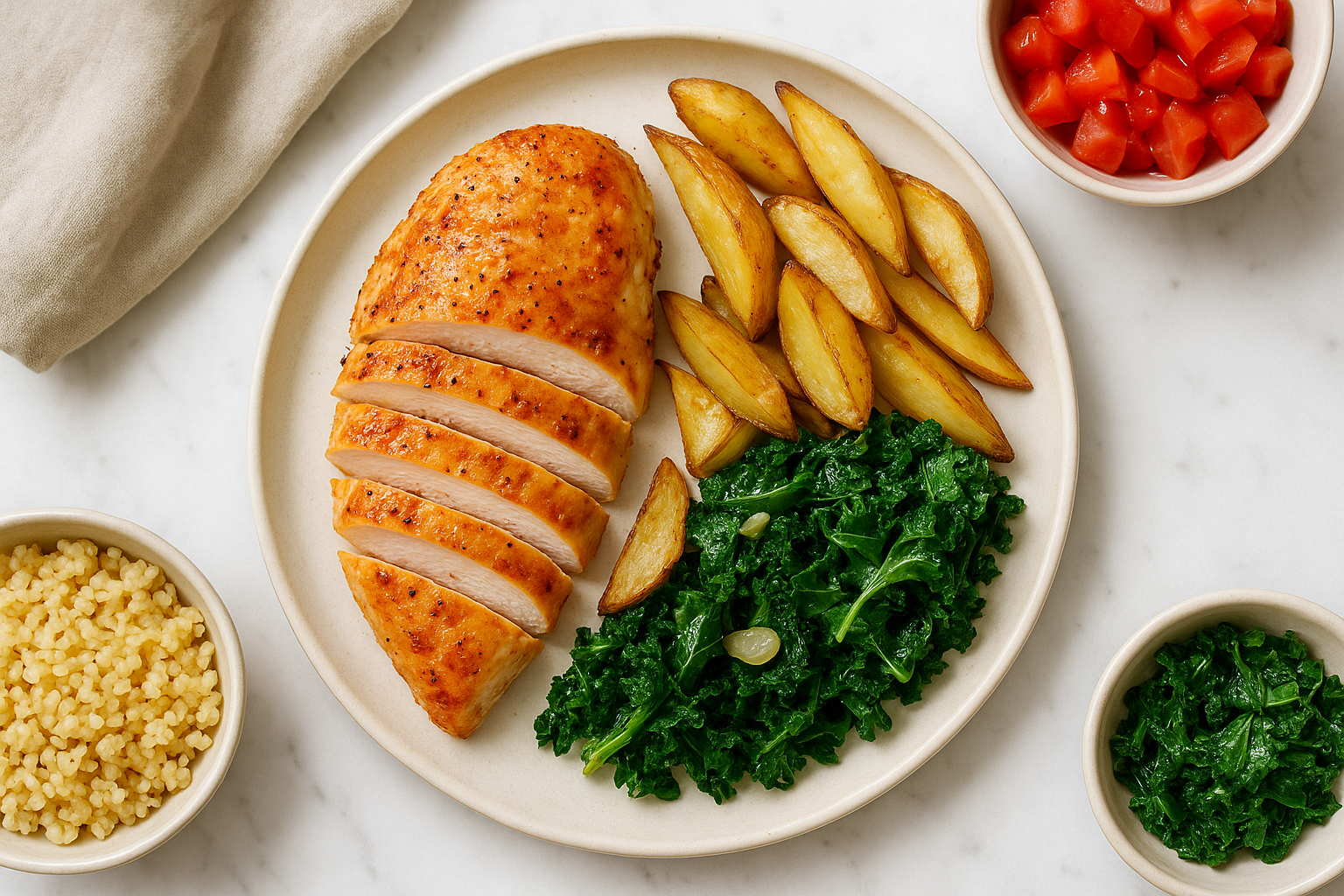
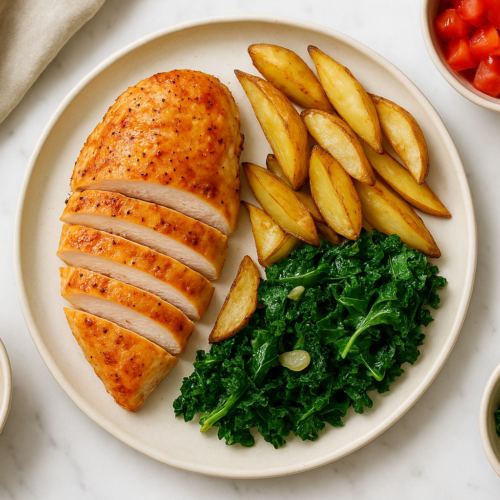
Transforming a single chicken breast into a meal for two is an economical and satisfying technique. By slicing the chicken into thin pieces, you maximize its use, while pairing it with robust vegetables and a savory sauce ensures a fulfilling dish. The chicken develops a golden-brown crust, and the vegetables absorb the rich flavors, creating an inviting aroma throughout your kitchen. This approach is not only effective but also time-efficient, requiring just 35 minutes from preparation to serving. Enjoy a complete meal that balances taste and practicality without compromising on quality.
Why This Recipe Works
- By slicing the chicken breast thinly, you increase its surface area, which allows it to cook faster and develop a golden-brown crust through the Maillard reaction, enhancing its appeal.
- Incorporating vegetables such as bell peppers and zucchini increases the dish’s volume and nutritional value, allowing a single chicken breast to satisfy two people effectively.
- A simple sauce of garlic, soy sauce, and honey creates a balanced glaze that clings to the chicken and vegetables, adding depth.
- Using a single skillet not only reduces the number of dishes to wash but also allows ingredients to cook evenly, enhancing the overall taste and texture of the meal.
Stretch One Chicken Breast for Two
Ingredients
- 2 tbsp olive oil divided
- 1 large chicken breast sliced thinly against the grain
- 1 medium zucchini sliced
- 1 medium red bell pepper sliced
- 1 medium carrot sliced
- 3 cloves garlic minced
- 3 tbsp soy sauce
- 2 tbsp honey
- 1 tbsp water
- 1 tsp salt to taste
- 1/2 tsp black pepper to taste
- 1 tbsp sesame seeds for garnish
Instructions
- Heat 1 tablespoon of olive oil in a large skillet over medium-high heat. Add the sliced chicken breast in a single layer. Cook for 3-4 minutes until the edges are golden and the chicken releases easily from the pan.
- Flip the chicken slices and cook for an additional 2-3 minutes until cooked through and no longer pink inside. Remove from the skillet and set aside, covering loosely with foil to keep warm.
- In the same skillet, add the remaining tablespoon of olive oil. Add the sliced carrot and cook for 2 minutes, stirring occasionally, until they start to soften and develop a slight caramelization.
- Add the sliced bell pepper and zucchini to the skillet. Stir and cook for another 3-4 minutes until the vegetables are tender-crisp and vibrant in color, releasing a fresh aroma.
- Push the vegetables to the side of the skillet and add the minced garlic to the center. Cook for 30 seconds until fragrant, taking care not to burn it, which would impart a bitter taste.
- Return the chicken to the skillet, distributing it evenly among the vegetables. Pour in the soy sauce, honey, and water, stirring to combine and coat everything evenly with the sauce.
- Increase the heat to high and bring the sauce to a simmer. Cook for 2-3 minutes, stirring occasionally, until the sauce thickens slightly and clings to the chicken and vegetables.
- Taste the dish and adjust seasoning with salt and black pepper as needed. Ensure the flavors are balanced, with a hint of sweetness from the honey and saltiness from the soy sauce.
- Finish by sprinkling sesame seeds evenly over the dish. This adds a nutty aroma and a gentle crunch, enhancing the texture contrast with the tender chicken and sautéed vegetables. Ensure the seeds are distributed well to provide a consistent flavor in every bite, highlighting the dish's overall appeal.
- Serve immediately by dividing the chicken and vegetables evenly between two plates. Appreciate the contrast of textures, with tender chicken and crisp vegetables, as well as the interplay of savory and sweet notes in each mouthful. This balance creates a satisfying dining experience for both individuals.
Notes
Pro Tips
- Cutting the chicken breast against the grain results in shorter muscle fibers, which makes the meat more tender. This technique also helps the pieces cook uniformly and allows them to better incorporate the seasonings and sauces used in the dish.
- Searing the chicken in a hot skillet enhances its texture by creating a browned crust. This method also helps prevent overcooking, ensuring the meat remains tender and juicy. The Maillard reaction contributes to the appealing color and taste.
- To ensure even cooking and maintain texture, add vegetables in stages according to their density. Begin with firmer vegetables such as carrots, then introduce softer ones like zucchini later in the cooking process.
- To prevent the sauce from becoming overly thick and sticking to the pan, incorporate a small amount of water. This adjustment helps maintain a smooth consistency, allowing the sauce to coat the ingredients uniformly and avoid scorching during cooking.
- Allowing the cooked chicken to rest after removing it from the skillet helps redistribute its juices, ensuring a more tender result. Meanwhile, finish cooking the vegetables, which will absorb any remaining flavors from the pan, enhancing the overall dish.
Variations
- For a budget-friendly option, increase the amount of vegetables and reduce the chicken to half a breast, stretching it further.
- For a vegetarian twist, substitute the chicken with firm tofu slices. Press the tofu thoroughly to eliminate excess moisture before cooking for optimal texture.
- For a seasonal variation, add vegetables such as asparagus or snap peas. Adjust the cooking time to ensure they remain crisp-tender and complement the chicken.
- For an Indian-inspired twist, incorporate a tablespoon of curry powder into the sauce. This addition brings a depth of warm spices, transforming the dish into a fragrant and aromatic meal.
Storage
To store leftovers, place them in shallow, airtight containers and refrigerate within two hours of cooking. They will remain safe to eat for up to three days. For extended storage, freeze the chicken and vegetable mixture without the sauce for up to two months. Upon thawing, the vegetables may soften, so reheat gently to preserve their texture. Ensure that any reheated portions reach an internal temperature of 165°F (74°C) for safety. This method helps maintain the quality and safety of your meal over time.
How to Reheat
To reheat leftovers, place them in a skillet over medium heat, stirring occasionally, until the internal temperature reaches 165 F (74 C). Alternatively, use a microwave on medium power in a covered dish, stirring every minute to ensure even heating. Add a splash of water to maintain moisture and prevent the sauce from becoming too thick.
Recommended Equipment
As an Amazon Associate, YumMinute earns from qualifying purchases. This adds no cost to you.
- Large Skillet (12 in) — Provides enough surface area for browning instead of steaming.
Related Recipes
- Revitalize Bland Chicken Breast with Spices
- One Pot Chicken and Rice
- Quick One Pan Chicken Fajitas in 20 Minutes
FAQ
Can I use frozen chicken breast?
Certainly, frozen chicken breast is suitable for this recipe. Ensure it is fully thawed in the refrigerator before slicing. This step is crucial for achieving uniform cooking and avoiding excess moisture release, which could thin the sauce. Proper thawing also helps maintain the desired texture and flavor of the chicken. Once thawed, proceed with the recipe as directed, ensuring the chicken is cooked to a safe internal temperature of 165°F (74°C).
What vegetables work best with this recipe?
To make one chicken breast serve two, incorporate vegetables like bell peppers, zucchini, and carrots. These vegetables not only enhance the dish with vibrant colors and varied textures but also soak up the sauce effectively. Consider adding broccoli or snap peas for additional variety. Adjust their cooking times to maintain a crisp-tender texture, ensuring they complement the chicken without becoming overly soft or mushy.
How can I make the dish spicier?
To add heat, include a pinch of red pepper flakes or a sliced chili pepper when cooking the garlic. Adjust the amount based on your spice preference, and taste the sauce before serving to ensure the heat level is to your liking.
Is it necessary to marinate the chicken?
Marinating the chicken is optional for this dish. The cooking technique and sauce contribute ample taste. If you wish to add more depth, consider marinating the chicken in a mixture of soy sauce and garlic for about 30 minutes before cooking. This step can enhance the overall taste, but it is not necessary for a satisfying result. Feel free to skip this step if you’re short on time.
Can I substitute soy sauce with something else?
Certainly, tamari and coconut aminos can replace soy sauce effectively, especially for those seeking a gluten-free alternative. Tamari offers a similar savory depth, while coconut aminos bring a touch of sweetness. If using coconut aminos, consider reducing the honey slightly to maintain balance. Both options work well in recipes, ensuring you achieve the desired taste without compromising dietary needs. Adjust seasonings as necessary to suit your preference and enjoy the dish with confidence.
This recipe emphasizes the technique of slicing chicken thinly and combining it with vegetables to extend one chicken breast for two servings. This method promotes efficient cooking and enhances flavor absorption, resulting in a meal that is both practical and enjoyable with minimal effort.