
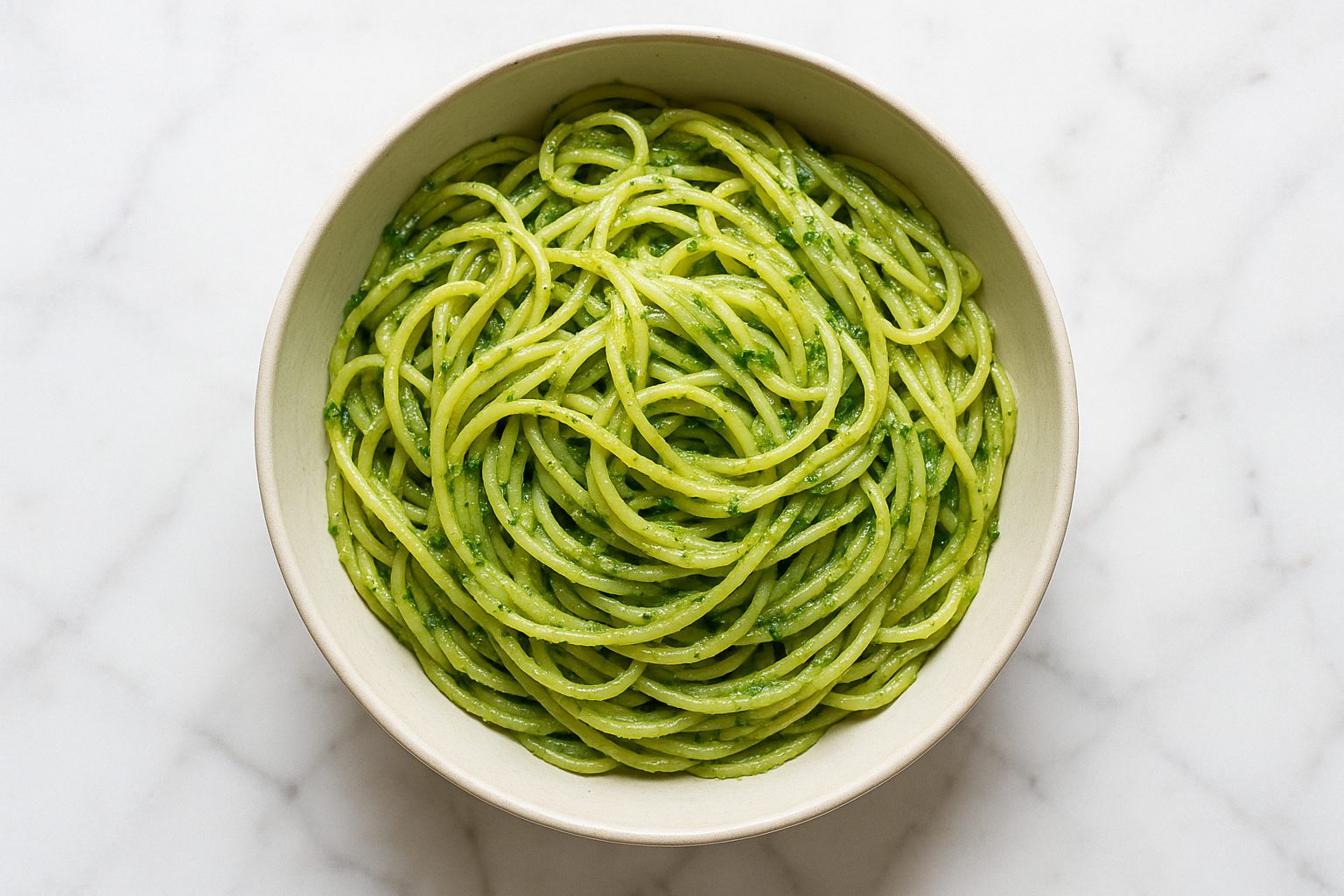
Experience the vibrant allure of pesto pasta, where the bright green color and fragrant combination of basil, garlic, and pine nuts come together beautifully. This easy pesto pasta recipe is ready in just 35 minutes, making it a convenient choice for any meal. The sauce envelops the pasta, offering a delightful mix of textures, while the scent of fresh basil permeates the air. Ideal for evenings when you desire a dish that is both refreshing and comforting, it also ensures minimal cleanup, allowing you to enjoy your meal without hassle.
Why This Recipe Works
- Using high-quality olive oil enhances the pesto’s richness, allowing the flavors to meld beautifully with the pasta, creating a cohesive dish.
- Toasting pine nuts before blending them into the pesto adds a subtle nuttiness, enhancing the overall flavor profile of the sauce.
- Cooking the pasta al dente ensures it retains a slight bite, providing a satisfying texture that complements the creamy pesto sauce.
- Adding pasta water to the pesto helps emulsify the sauce, making it glossy and ensuring it coats the pasta evenly without clumping.
Easy Pesto Pasta
Ingredients
- 2 tbsp olive oil divided
- 3 cups fresh basil leaves packed
- 1/2 cup Parmesan cheese grated
- 1/3 cup pine nuts toasted
- 2 cloves garlic minced
- 1 tbsp lemon juice freshly squeezed
- 1/4 tsp salt
- 1/4 tsp black pepper freshly ground
- 12 oz pasta such as fusilli or penne
- 1/2 cup pasta water reserved from cooking
Instructions
- Bring a large pot of salted water to a boil. Add pasta and cook until al dente, following package instructions. Reserve 1/2 cup of pasta water before draining. The pasta should be tender yet firm to the bite.
- While the pasta cooks, heat a small skillet over medium heat. Add pine nuts and toast, stirring frequently, until golden and fragrant, about 3-4 minutes. Remove from heat to prevent burning.
- In a food processor, combine basil leaves, toasted pine nuts, garlic, Parmesan cheese, lemon juice, salt, and pepper. Pulse until finely chopped, scraping down the sides as needed to ensure even blending.
- With the food processor running, slowly drizzle in 1 tablespoon of olive oil. Continue processing until the mixture is smooth and emulsified, adding more oil if necessary to achieve a creamy consistency.
- Transfer the pesto to a large bowl. Gradually add reserved pasta water, a tablespoon at a time, stirring until the sauce reaches a desired consistency that clings to the pasta without being too thick.
- Add the cooked pasta to the bowl with the pesto. Toss gently to coat the pasta evenly, ensuring each piece is well-covered with the sauce. The aroma of fresh basil should be prominent.
- If the pasta appears dry, add a splash more of the reserved pasta water, tossing again until the sauce is glossy and evenly distributed. Avoid adding too much water to prevent diluting the flavors.
- Heat the remaining tablespoon of olive oil in a large skillet over medium heat. Add the pesto-coated pasta and cook for 2-3 minutes, stirring occasionally, until heated through and slightly crisped on the edges.
- Taste and adjust seasoning with additional salt and pepper if needed. The flavors should be balanced, with a hint of nuttiness from the pine nuts and a fresh, herbal note from the basil.
- Serve the pesto pasta immediately, garnished with extra Parmesan cheese and a drizzle of olive oil if desired. The dish should be warm, with the cheese melting slightly over the pasta.
Notes
Pro Tips
- Use a food processor for the pesto to achieve a smooth consistency, which allows the sauce to coat the pasta evenly and enhances the overall texture.
- Toast the pine nuts in a dry pan over medium heat until golden and fragrant, which prevents them from tasting raw and adds depth to the pesto.
- To achieve the perfect pesto consistency, slowly incorporate reserved pasta water. This method thins the sauce without diluting its flavor, ensuring it coats the pasta evenly and prevents it from feeling overly dense or clumpy.
- To maintain a bright green color in your pesto, briefly blanch the basil leaves in boiling water, then immediately transfer them to ice water. This process halts cooking and preserves the vibrant hue by preventing enzymatic browning.
- To soften the intensity of your pesto, consider incorporating a small amount of sugar or a dash of lemon juice. This adjustment helps to harmonize the flavors, reducing any overpowering sharpness and creating a more balanced taste.
Variations
- For a budget-friendly version, substitute walnuts for pine nuts, which are often less expensive but still provide a rich, nutty flavor.
- Create a vegan pesto by omitting the Parmesan cheese and adding nutritional yeast, which provides a cheesy flavor without dairy.
- Enhance your dish by adding seasonal vegetables such as cherry tomatoes or zucchini. These additions provide a refreshing contrast and texture, perfectly balancing the pesto’s rich notes and creating a more vibrant meal.
- For a spicy twist, add a pinch of red pepper flakes to the pesto, introducing a gentle heat that enhances the dish’s complexity.
Storage
To keep your pesto pasta fresh, place any leftovers in an airtight container and refrigerate for up to three days. Ensure the pasta has cooled completely before sealing to avoid moisture buildup. Freezing the pasta is not advisable, as it may lead to a change in texture, making it mushy after thawing. However, you can freeze the pesto sauce separately for up to three months. When you’re ready to enjoy, simply prepare fresh pasta and mix it with the thawed pesto sauce for optimal results.
How to Reheat
To reheat pesto pasta on the stovetop, use low heat and add a bit of water or olive oil to maintain moisture. Stir occasionally to ensure even warming. Alternatively, place the pasta in a microwave-safe dish, cover it, and heat on medium for 1-2 minutes. Stir halfway through to avoid uneven heating and prevent the pasta from becoming rubbery.
Recommended Equipment
As an Amazon Associate, YumMinute earns from qualifying purchases. This adds no cost to you.
- Stainless Stock Pot — Holds a full batch without crowding.
FAQ
Can I use store-bought pesto for this recipe?
Yes, store-bought pesto can be used as a convenient alternative. However, homemade pesto offers a fresher taste and allows you to control the ingredients and flavors. If using store-bought, consider adding a squeeze of lemon juice or extra Parmesan to enhance its flavor.
What type of pasta works best with pesto?
Short pasta shapes like fusilli, penne, or farfalle work well with pesto as their ridges and curves hold the sauce effectively. Long pasta like spaghetti or linguine can also be used, but ensure the sauce is well-emulsified to coat the strands evenly.
How do I prevent my pesto from turning brown?
To keep pesto vibrant green, blanch basil leaves in boiling water for 10 seconds, then shock them in ice water before blending. This process helps preserve the color by deactivating enzymes that cause browning. Store pesto with a thin layer of olive oil on top to further prevent oxidation.
Can I make pesto without nuts?
Yes, pesto can be made nut-free by omitting the pine nuts and increasing the amount of Parmesan cheese for added body. Alternatively, sunflower seeds or pumpkin seeds can be used as substitutes, offering a similar texture without the use of nuts.
Is it possible to make pesto pasta gluten-free?
Yes, you can easily make this dish gluten-free by replacing the regular pasta with a gluten-free option such as those made from rice, corn, or quinoa. Be sure to cook the gluten-free pasta according to the package directions to ensure it reaches the right texture. The pesto sauce itself does not contain gluten, so this modification is simple and effective for those avoiding gluten.
To achieve a perfectly coated pasta, focus on the technique of emulsifying pesto with reserved pasta water. This method enhances the texture and ensures the sauce clings beautifully to the pasta, highlighting the vibrant flavors of the fresh ingredients in every mouthful.