
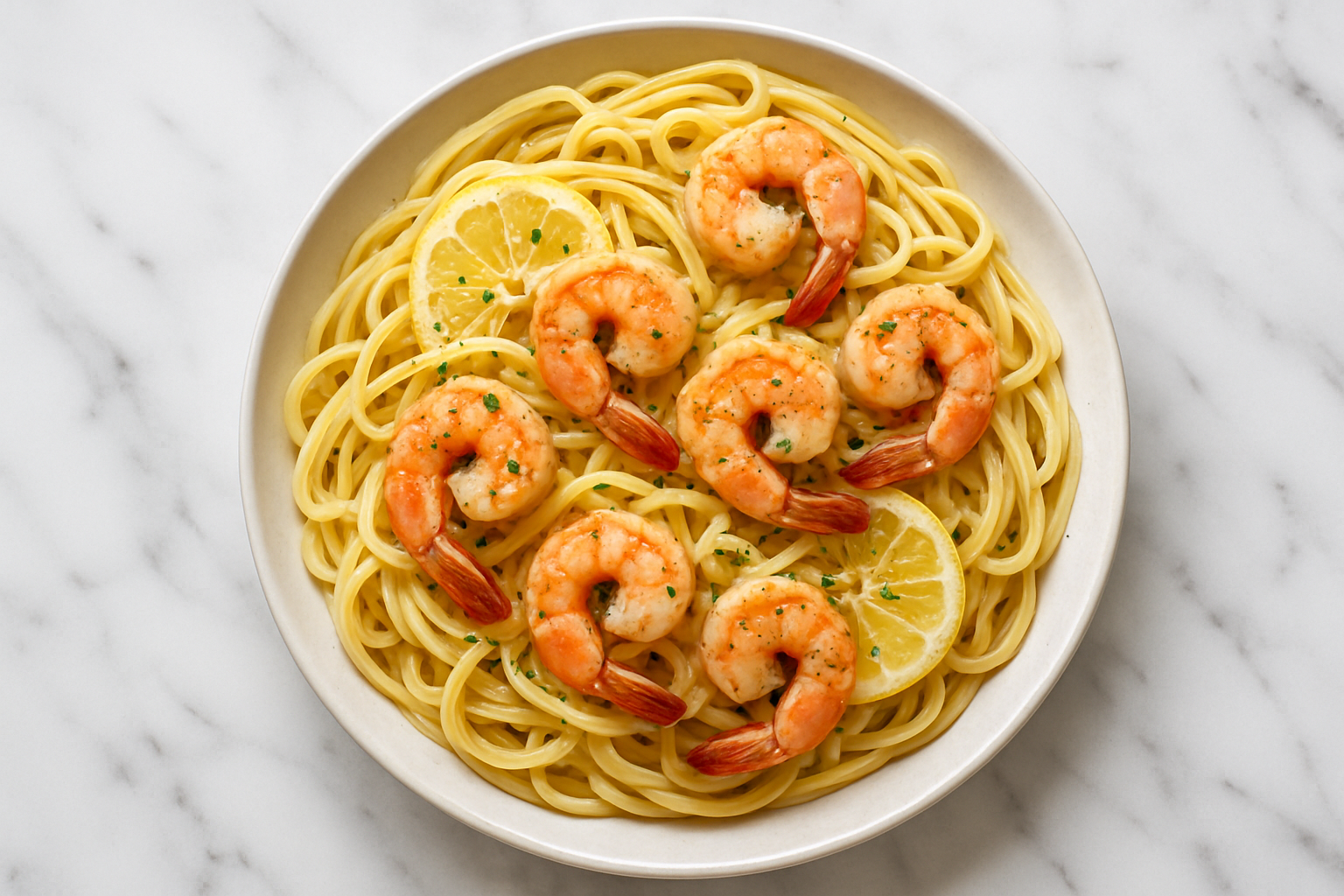
Shrimp scampi linguine offers a delightful combination of tender shrimp and al dente pasta, all coated in a fragrant garlic and lemon sauce. This dish comes together swiftly, making it perfect for a busy evening. As the shrimp sizzle in the pan, their pink hue deepens, releasing a savory aroma that fills the kitchen. The pasta absorbs the sauce, ensuring each bite is infused with the rich, buttery flavors. With just a few simple steps, you can enjoy a restaurant-quality meal at home.
Why This Recipe Works
- Cooking the shrimp until they turn a light pink color ensures they stay tender and moist, preventing them from becoming tough or rubbery, which can happen if overcooked.
- Incorporating reserved pasta water into the sauce is crucial because its starch content binds the ingredients, resulting in a smooth, cohesive texture and a glossy appearance that enhances the dish’s presentation.
- The addition of fresh lemon juice enhances the overall balance by cutting through the richness of butter and garlic, providing a refreshing contrast that elevates the shrimp scampi linguine.
- Sautéing the garlic until it reaches a golden hue brings out its natural sweetness, which contributes a rich layer of complexity to the dish’s overall taste profile.
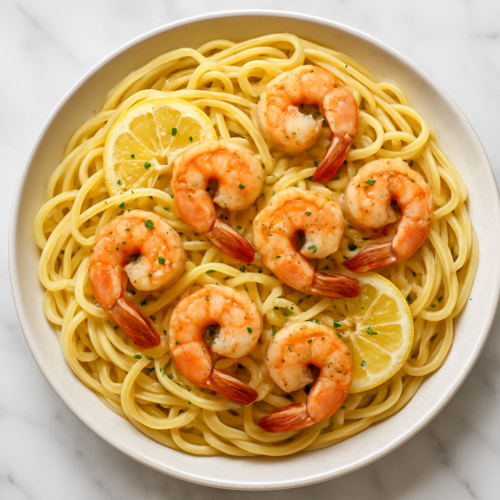
Quick Shrimp Scampi Linguine
Ingredients
- 2 tbsp olive oil
- 1 lb large shrimp peeled and deveined
- 4 cloves garlic minced
- 1 cup dry white wine
- 1 tbsp lemon juice freshly squeezed
- 1/4 cup butter unsalted
- 12 oz linguine cooked al dente
- 1/4 cup parsley chopped
- 1 tsp salt
- 1/2 tsp black pepper
- 1/2 cup pasta water reserved from cooking
Instructions
- Heat olive oil in a large skillet over medium heat. Add shrimp in a single layer, cooking until they turn pink and opaque, about 2-3 minutes per side. Remove and set aside.
- In the same skillet, add the minced garlic over medium heat. Stir continuously to ensure even cooking, allowing the garlic to release its aroma and turn a light golden color, approximately 1 minute. Adjust the heat to prevent any burning, ensuring the garlic remains fragrant and not overly browned.
- Add the dry white wine to the skillet, using a wooden spoon to loosen any caramelized bits stuck to the bottom. Allow the wine to simmer gently over medium heat for 2-3 minutes, reducing slightly. This process will concentrate the flavors, creating a more robust sauce.
- Add the lemon juice and butter to the pan, stirring continuously over medium heat until the butter is fully melted. As the butter melts, the sauce will start to thicken and develop a glossy sheen. Ensure the sauce is smooth and well-combined, with a slight thickening to coat the back of a spoon.
- Place the shrimp back into the skillet, stirring them gently to ensure they are evenly coated with the sauce. Continue cooking over medium heat for another minute, allowing the shrimp to absorb the flavors and become thoroughly warmed. Watch for the shrimp to turn opaque and pink, indicating they are perfectly heated.
- Transfer the cooked linguine into the skillet, pouring in the reserved pasta water. Stir the mixture over medium heat, ensuring the pasta is well-coated and absorbs the sauce. Continue tossing until the linguine is glossy and the liquid has reduced slightly, creating a cohesive dish.
- Sprinkle salt and black pepper over the shrimp and linguine, ensuring even distribution. Taste and adjust the seasoning as needed, aiming for a balanced flavor profile. The salt should subtly enhance the dish, while the pepper adds a gentle warmth without overwhelming the other ingredients. Stir well to combine.
- Once the pasta is plated, evenly distribute the finely chopped parsley over the top. This will introduce a vibrant green color and a fresh aroma, enhancing the overall presentation. The parsley's subtle herbal flavor will balance the richness of the sauce, providing a refreshing contrast. Ensure the parsley is spread uniformly to achieve a consistent taste in every bite.
- Gently toss the cooked linguine and shrimp together in the pan over medium heat, ensuring the shrimp are evenly distributed among the pasta strands. Stir carefully to coat everything with the sauce, allowing the flavors to meld. Look for the shrimp to be pink and opaque, indicating they are perfectly cooked. Avoid overmixing to prevent breaking the shrimp.
- Transfer the shrimp scampi linguine to a serving platter while still hot. Sprinkle with freshly chopped parsley for a vibrant touch. The pasta should be al dente, and the shrimp tender. Serve immediately to maintain the dish's warmth and aroma, enhancing the overall dining experience.
Notes
Pro Tips
- Opt for large shrimp when preparing this dish. Their size ensures they cook uniformly, retaining moisture and tenderness. Smaller shrimp tend to cook too fast, which can lead to a rubbery texture, detracting from the dish’s intended quality.
- Before draining the pasta, reserve a cup of the cooking water. This starchy liquid acts as an emulsifier, helping the sauce adhere to the pasta and creating a smooth, cohesive dish that enhances the overall texture.
- To achieve a thicker sauce consistency, allow it to simmer longer. This process evaporates excess liquid, concentrating the flavors and creating a more cohesive sauce that clings better to the pasta, enhancing the overall dish experience.
- To enhance the dish’s richness, combine olive oil and butter when cooking. Olive oil raises the smoke point, preventing the butter from scorching, while the butter contributes a deeper, more complex taste to the shrimp and pasta.
- To achieve uniform cooking, defrost frozen shrimp by submerging them in cold water for approximately 20 minutes. This method prevents the shrimp from cooking unevenly, which can happen if they are still partially frozen when added to the pan.
Variations
- To make this dish more economical, replace the shrimp with diced chicken breast. Be sure to adjust the cooking time accordingly, as chicken may require a bit longer to cook through.
- For a vegetarian twist, substitute the shrimp with an equal amount of sliced mushrooms. Enhance the depth of flavor by incorporating a splash of soy sauce, which adds a savory umami note.
- For a springtime variation, incorporate fresh peas or tender asparagus into the pasta dish. This addition not only enhances the visual appeal but also introduces a delightful seasonal element to your meal.
- To add some heat to your dish, consider including thinly sliced chorizo or a generous sprinkle of red pepper flakes into the sauce while it simmers.
Storage
To store leftover shrimp scampi linguine, place it in an airtight container and refrigerate for up to three days. Ensure the dish has cooled to room temperature before sealing to avoid moisture buildup. For extended storage, freeze the shrimp and pasta separately, which can preserve them for up to two months. Be aware that freezing might slightly change the pasta’s texture, resulting in a softer consistency when reheated. Always label containers with the date to keep track of storage time and ensure optimal freshness.
How to Reheat
For reheating shrimp scampi linguine, place it in a skillet over medium heat. Add a small amount of water to help loosen the sauce, stirring gently until warmed through. Alternatively, use a microwave on medium power. Cover the dish and stir occasionally, ensuring even heating. Avoid using high heat to prevent the shrimp from becoming tough or rubbery.
Recommended Equipment
As an Amazon Associate, YumMinute earns from qualifying purchases. This adds no cost to you.
- Large Skillet (12 in) — Provides enough surface area for browning instead of steaming.
FAQ
Can I use pre-cooked shrimp for this recipe?
Certainly, pre-cooked shrimp can be used in this recipe. To ensure they remain tender, introduce them to the dish at the very end of the cooking process. After preparing the sauce and pasta, gently fold the shrimp into the mixture just before serving. This allows the shrimp to heat through without overcooking, preserving their texture. By doing so, you maintain the integrity of the shrimp while still enjoying the convenience of a quicker preparation time.
What type of pasta works best with shrimp scampi?
Linguine is often preferred for shrimp scampi because its flat, wide shape allows it to capture and hold onto the sauce effectively, enhancing the overall dish. If you don’t have linguine on hand, you can easily substitute it with spaghetti or fettuccine. Both of these pasta types have similar textures and will work well with the sauce, ensuring that the flavors are absorbed nicely. Choose whichever pasta you have available, and the dish will still be delightful.
How can I prevent the garlic from burning?
To cook the garlic properly, use medium heat and stir it often to avoid burning. If you notice it browning too fast, lower the heat a bit. You can also add a small amount of pasta water to the pan. This helps control the temperature and keeps the garlic from burning, ensuring it remains soft and aromatic for the shrimp scampi linguine.
Is there a way to make this dish dairy-free?
To prepare shrimp scampi linguine without dairy, substitute the butter with a plant-based option or extra olive oil. Choose a substitute with a high smoke point to avoid burning during cooking. Additionally, check that the plant-based butter or oil you select complements the dish’s flavors. This ensures the final result maintains the intended texture and richness, while accommodating dietary preferences. Adjust seasoning if necessary to balance the flavors after making these substitutions.
Can I add vegetables to this dish?
Certainly, incorporating vegetables such as spinach, cherry tomatoes, or bell peppers can elevate the dish. Begin by sautéing the vegetables separately in a bit of olive oil until they become tender. Once cooked, mix them with the shrimp and linguine. This not only adds a delightful texture but also introduces a variety of colors and nutrients to your meal. The vegetables complement the shrimp and pasta, creating a more balanced and satisfying dish.
Achieving perfectly cooked shrimp involves removing them from heat as soon as they turn pink, ensuring they remain tender and juicy. Pair this with the emulsifying magic of reserved pasta water to create a smooth, cohesive sauce that envelops the linguine beautifully, enhancing every bite.