
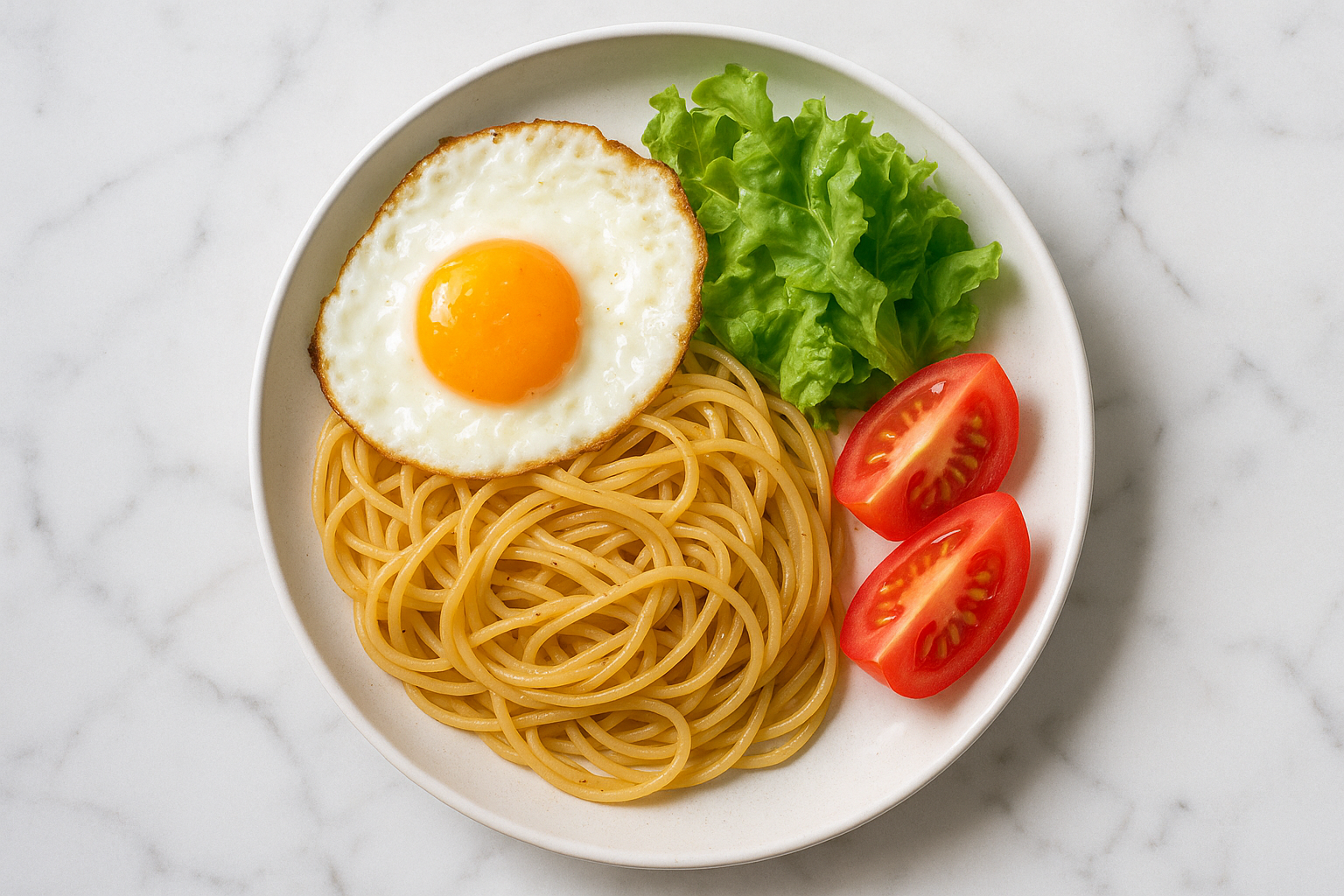
When you’re staring at an almost empty fridge, crafting a satisfying dinner in just 10 minutes might seem daunting. This recipe focuses on maximizing the flavors of minimal ingredients, turning them into a cohesive dish. The key lies in using high-heat cooking to develop deep browning and aromas, while a splash of citrus brightens the dish. With just a few ingredients, you can create a meal that feels complete and satisfying, perfect for those nights when time and resources are limited.
Why This Recipe Works
- Using high heat allows proteins to brown quickly, creating a savory crust that enhances the dish’s appeal without needing extra ingredients or lengthy preparation.
- A splash of citrus at the end of cooking brightens the dish, adding a fresh note that complements the savory elements.
- Cooking everything in one skillet not only reduces the number of dishes to wash but also allows flavors to meld together efficiently, saving time and effort during hectic schedules.
- Using minimal seasoning highlights the inherent qualities of each ingredient, maximizing their potential and ensuring a satisfying result even with limited supplies. This approach enhances the dish’s overall appeal and efficiency.
Quick 10-Minute Dinner from an Almost Empty Fridge
Ingredients
- 2 tbsp olive oil divided
- 1 lb chicken breast cut into bite-sized pieces
- 1 tsp salt or to taste
- 1/2 tsp black pepper freshly ground
- 1 cup cherry tomatoes halved
- 1 cup spinach fresh
- 1 tsp lemon juice freshly squeezed
- 1 clove garlic minced
- 1/4 cup onion finely chopped
- 1/4 cup water as needed for deglazing
Instructions
- Heat 1 tablespoon of olive oil in a large skillet over medium-high heat until shimmering. Add the chicken pieces, spreading them out in a single layer. Cook without moving until the underside is deeply browned, about 3 minutes.
- Flip the chicken pieces and continue cooking until fully cooked, about 3 minutes more. Remove the chicken from the skillet and set aside. The chicken should be opaque and firm to the touch.
- In the same skillet, add the remaining tablespoon of olive oil. Add the onion and garlic, stirring frequently until the onion is translucent and the garlic is fragrant, about 2 minutes.
- Add the cherry tomatoes to the skillet over medium-high heat. Stir occasionally, allowing them to cook for about 2 minutes. They should begin to soften, releasing their juices, and develop a slight blister on the skin, indicating they are ready.
- Return the chicken to the skillet, stirring to combine with the tomatoes and onions. Add the spinach, stirring until wilted, about 1 minute. The spinach should be bright green and tender.
- Pour 1/4 cup of water into the skillet over medium heat, using a wooden spoon to loosen any browned bits stuck to the bottom. Stir continuously for about 2 minutes until the liquid reduces slightly, enhancing the sauce's flavor and ensuring nothing adheres to the pan.
- Sprinkle salt evenly over the mixture, adjusting to your preference. Add lemon juice, stirring thoroughly to ensure it is well incorporated. This will enhance the overall brightness and provide a refreshing contrast. Continue cooking over medium heat for another minute, allowing the flavors to meld together and the aroma to develop fully.
- Lower the heat to a gentle simmer and cook for 2 minutes, stirring occasionally. This allows the ingredients to blend well, and the sauce will slightly thicken. Look for a glossy appearance and a subtle aroma as the mixture reduces, indicating it's ready for the next step.
- Sample the dish to assess the balance of flavors. If it seems too bland, consider adding a touch more lemon juice for brightness. Should the acidity be overwhelming, counteract it by incorporating a small amount of water to mellow the taste without altering the dish's integrity.
- Serve the dish warm, garnished with additional fresh herbs if desired. This adds a fresh aroma and enhances the presentation.
Notes
Pro Tips
- Preheat your skillet before adding oil to ensure even cooking and prevent sticking. This step is crucial for developing a good sear on your ingredients.
- If your ingredients start to stick, deglaze the pan with a splash of water or broth. This will lift the fond and add depth to your dish.
- A sharp knife is essential for quick ingredient preparation. It allows for precise cuts, reducing prep time and promoting uniform cooking. Evenly sized pieces cook at the same rate, preventing overcooked or undercooked sections and enhancing the dish’s overall texture.
- To avoid overcooking, take the skillet off the heat slightly before the ingredients are done. The remaining heat in the pan will continue to cook them gently, ensuring they reach the desired doneness without becoming overdone.
- To brighten the dish, consider adding a small amount of salt or a splash of lemon juice. Salt enhances the natural flavors, while lemon juice adds acidity, creating a more balanced and lively taste profile.
Variations
- For a budget-friendly version, use canned beans instead of fresh proteins. They are affordable, shelf-stable, and add a hearty texture.
- To make this dish vegetarian, substitute the protein with firm tofu or tempeh. These options provide a satisfying texture and absorb flavors well.
- Incorporate seasonal vegetables like zucchini or bell peppers for a fresh twist. These add color and a slight sweetness to the dish.
- For a Mediterranean-inspired variation, add olives and feta cheese. These ingredients bring a briny and creamy element, enhancing the dish’s complexity.
Storage
To store leftovers, place them in shallow, airtight containers and refrigerate promptly within two hours of cooking. They can be kept in the refrigerator for up to three days. For extended storage, freeze the dish, omitting any eggs, for up to three months. Be aware that freezing might change the texture of certain ingredients, resulting in a softer consistency when reheated. Always reheat thoroughly to an internal temperature of 165°F (74°C) before serving to ensure safety.
How to Reheat
To reheat leftovers, place them in a pan on the stovetop over medium heat. Stir occasionally until the internal temperature reaches 165 F (74 C). Alternatively, use a microwave. Cover the dish to maintain moisture, heating in 1-minute intervals and stirring between each. Be cautious not to overheat, as this can dry out the ingredients. Ensure even heating by checking multiple spots for consistent warmth.
Related Recipes
- Baked Salmon and Asparagus Sheet Pan Dinner
- 7 Dinners Under $3 Per Serving (Ready in 10 Minutes)
- Romantic Dinner Ideas for Two Ready in 30 Minutes
FAQ
Can I use frozen vegetables instead of fresh?
Yes, frozen vegetables can be used in place of fresh ones. They are convenient and often just as nutritious. Simply add them directly to the skillet without thawing, and adjust cooking time as needed to ensure they are heated through.
What if I don’t have citrus for the recipe?
If you don’t have citrus, you can substitute with a splash of vinegar, such as apple cider or white wine vinegar. This will provide a similar acidity that brightens the dish. Start with a small amount and adjust to taste.
How can I prevent the dish from becoming too greasy?
To avoid a greasy dish, measure the oil carefully and use a non-stick skillet if available. If the dish seems oily, blot excess oil with a paper towel or drain it off before serving. This keeps the flavors balanced and the dish light.
What protein alternatives work well in this recipe?
If you’re looking to switch up the protein in this quick meal, consider using chicken, shrimp, or chickpeas. Chicken offers a robust base, shrimp introduces a seafood twist, and chickpeas provide a vegetarian alternative. Each option contributes a distinct texture and taste, allowing you to tailor the dish to your liking. These substitutions ensure you can adapt the recipe to what you have on hand, making it versatile and convenient.
Is it possible to make this dish gluten-free?
Certainly, this meal can be adapted for a gluten-free diet. To do so, ensure that all components, including seasonings and any additional sauces, are labeled gluten-free. This adjustment makes it suitable for those with gluten sensitivities, allowing them to enjoy the dish without worry. Always double-check labels, as some products may contain hidden gluten, ensuring a safe and enjoyable dining experience for everyone.
This recipe demonstrates how high-heat cooking and basic ingredients can turn an almost empty fridge into a fulfilling dish. By emphasizing technique and balancing flavors, you can create a meal that’s both quick and satisfying, making the most of what you have on hand.