
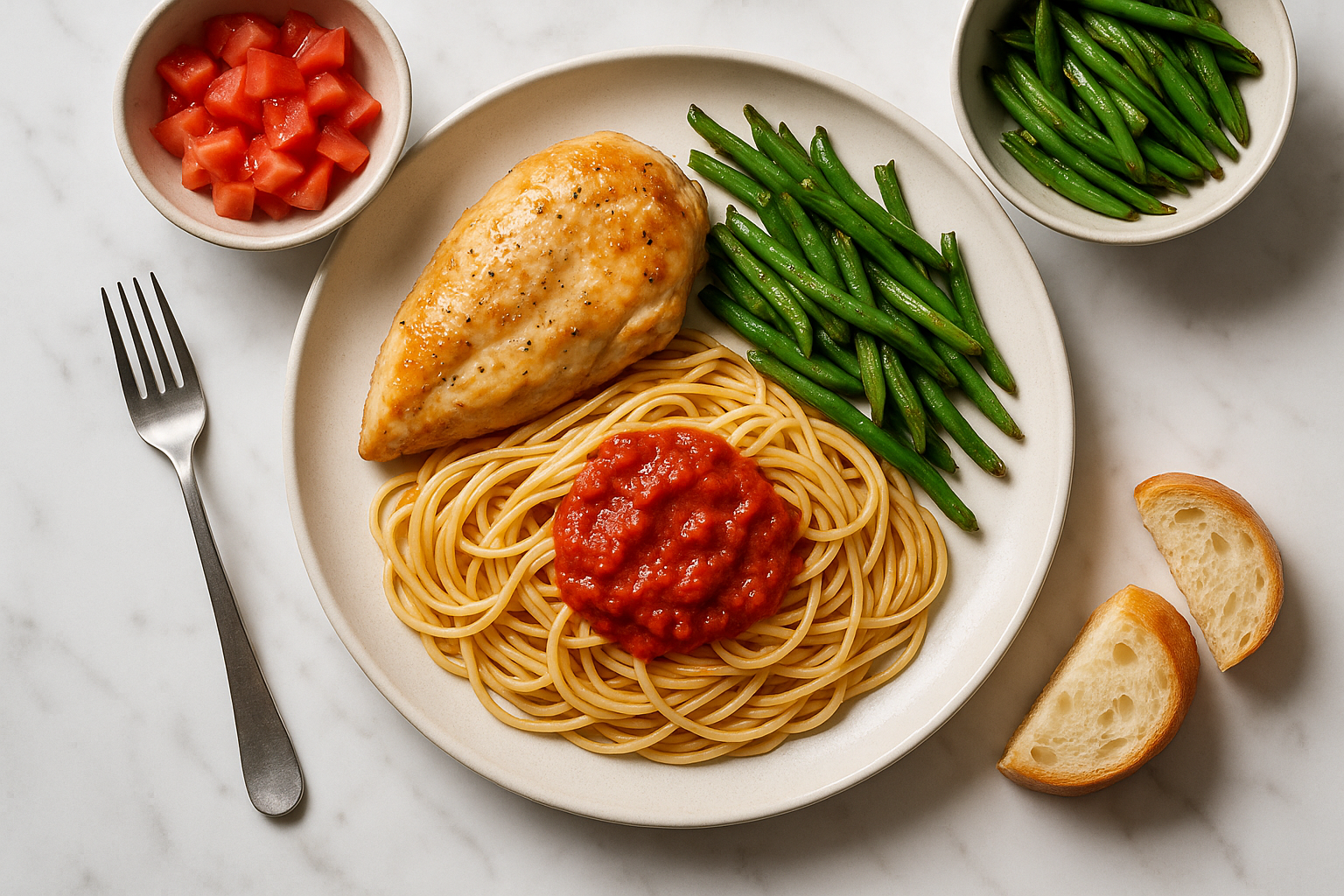
After a long night shift, preparing a meal that’s both quick and satisfying is essential. This recipe delivers a comforting dish with tender chicken and vibrant vegetables, all cooked in one skillet. The aroma of garlic and herbs fills the kitchen as the ingredients meld together, creating a meal ready in just 35 minutes. The chicken’s golden crust and the vegetables’ slight char add layers of texture, making this dish an ideal choice for a quick dinner after a night shift.
Why This Recipe Works
- This recipe uses one skillet, reducing cleanup time significantly. It’s ideal for those needing a quick meal solution after working late hours.
- The combination of high heat and a quick cooking time ensures the chicken remains juicy while developing a flavorful crust.
- Including a mix of vegetables in the dish enhances its nutritional value while providing a pleasing contrast of textures and vibrant colors, making it visually appealing and more satisfying.
- The use of herbs and garlic enhances the aroma and depth of flavor, making the meal more satisfying without extra effort.
Quick Dinner After Night Shift
Ingredients
- 2 tbsp olive oil divided
- 4 chicken breasts boneless, skinless
- 1 tsp salt
- 1/2 tsp black pepper
- 2 bell peppers sliced
- 1 onion sliced
- 3 cloves garlic minced
- 1 tsp dried thyme
- 1 tsp dried rosemary
- 1/4 cup chicken broth
- 1 lemon juiced
- 2 tbsp fresh parsley chopped, for garnish
Instructions
- Heat 1 tablespoon of olive oil in a large skillet over medium-high heat. Season the chicken breasts with salt and pepper. Once the oil shimmers, add the chicken to the skillet.
- Heat a skillet over medium-high heat and add olive oil. Place the chicken breasts in the skillet, cooking for 6-7 minutes per side. Look for a golden brown color and ensure the internal temperature reaches 165 F. Once cooked, remove the chicken from the skillet and set aside on a plate.
- In the same skillet, heat the remaining tablespoon of olive oil over medium heat. Add the sliced bell peppers and onion, stirring occasionally. Cook until the vegetables are tender and the onions are translucent, about 5 to 7 minutes. The peppers should be vibrant and slightly charred at the edges.
- Stir in the minced garlic with the vegetables over medium heat, cooking for one minute. Watch closely as the garlic releases its aroma, ensuring it remains pale and does not brown, which can lead to an undesirable bitter taste. Adjust the heat if necessary to maintain control.
- Sprinkle dried thyme and rosemary over the vegetables, stirring to coat them evenly. This helps to release the herbs' essential oils, enhancing the dish's aroma.
- Add the chicken broth to the skillet, using a wooden spoon to gently scrape the bottom and loosen any browned bits. This process, known as deglazing, helps to incorporate these flavorful bits into the broth. Allow the mixture to simmer for about 3 minutes, reducing slightly and enhancing the overall taste.
- Place the chicken back into the skillet, arranging it between the bell peppers and onions. Cover the skillet and cook over medium heat for 5 minutes. This allows the chicken to warm through and the vegetables to soften, creating a cohesive dish with well-integrated flavors.
- After cooking the chicken and vegetables, squeeze fresh lemon juice over them while still hot. This adds a refreshing citrus aroma and a touch of acidity, enhancing the overall balance of flavors. Ensure the lemon juice is evenly distributed to achieve a consistent taste throughout the dish.
- Garnish with fresh parsley before serving, providing a fresh, herbal contrast to the cooked elements.
- Transfer the cooked chicken breasts and sautéed vegetables to individual plates while still hot. Ensure each serving includes a balanced portion of chicken and vegetables. This will provide a satisfying and nutritious meal. Garnish with freshly chopped parsley for added color and aroma, if desired. Serve promptly to enjoy the dish at its best.
Notes
Pro Tips
- Preheat your skillet thoroughly before adding the chicken. This ensures the surface browns evenly and prevents sticking, as the proteins quickly coagulate, forming a barrier. A hot pan also reduces cooking time, ideal for a quick meal.
- Cutting vegetables into uniform pieces is crucial for even cooking. This prevents smaller pieces from overcooking and becoming too soft while larger ones remain firm, ensuring a consistent texture throughout the dish.
- When chicken adheres to the pan, it indicates that the surface hasn’t browned enough. Allow it to cook further, and it will detach on its own once the Maillard reaction has sufficiently occurred, enhancing the dish’s depth of flavor.
- Deglazing the pan with a bit of broth or wine after cooking the chicken helps lift the browned bits, known as fond, from the pan. This process enhances the sauce’s depth by incorporating those concentrated flavors into the dish.
- To avoid dryness and potential burning, incorporate a tablespoon of water or broth. This addition helps maintain moisture and ensures even cooking, especially when reheating or preparing meals quickly after a long shift.
Variations
- To save on costs, substitute chicken breast with chicken thighs. They are typically less expensive and offer a richer taste profile.
- For a vegetarian version, replace the chicken with firm tofu. Ensure the tofu is thoroughly drained and pressed to eliminate any extra moisture before cooking.
- For a seasonal variation, try adding vegetables such as zucchini or asparagus during springtime. This substitution brings a refreshing change to the dish, enhancing its appeal with vibrant colors and textures.
- Add a teaspoon of soy sauce and a pinch of ginger for an Asian-inspired variation, enhancing the dish’s umami notes.
Storage
After preparing your meal, promptly place any leftovers in shallow, airtight containers and refrigerate them within two hours to ensure safety. These can be stored in the refrigerator for up to three days. If you wish to keep them longer, freeze the chicken and vegetables separately for up to two months. Be aware that while the vegetables may soften slightly after freezing, their taste will remain consistent. When reheating, ensure that any meat, poultry, or rice reaches an internal temperature of 165°F (74°C) for safe consumption.
How to Reheat
Reheat leftovers in a skillet over medium heat, adding a splash of water to prevent sticking, until the center reaches 165 F (74 C). Alternatively, use a microwave, covering the dish to retain moisture, and heat in 1-minute intervals, stirring between, until thoroughly warmed.
Related Recipes
- Quick Dinner with Leftover Taco Meat
- Frozen Vegetables Dinner Skillet
- Quick Dinner Using Only One Burner
FAQ
Can I use frozen vegetables?
Certainly, frozen vegetables are a convenient option. Simply add them straight to the skillet without thawing first. This helps maintain their texture and prevents them from becoming overly soft. You may need to extend the cooking time slightly to ensure they are thoroughly heated and reach the desired consistency. This method is efficient and retains the nutritional value of the vegetables, making it a practical choice for a quick meal.
How can I prevent the chicken from drying out?
To ensure the chicken remains juicy, monitor its cooking time closely. A meat thermometer is essential to confirm the internal temperature reaches 165 F (74 C). After cooking, allow the chicken to rest for a few minutes. This resting period allows the juices to redistribute evenly throughout the meat, enhancing its overall texture and succulence. Remember, proper cooking and resting are key to achieving a satisfying result.
What herbs work best in this recipe?
Incorporating fresh herbs like thyme, rosemary, or parsley can enhance the aroma of your dish. When opting for dried herbs, use half the amount since they are more potent. Adjust the quantity to suit your taste preferences, ensuring a well-rounded flavor. Additionally, consider adding a pinch of salt and pepper to complement the herbs, creating a more nuanced taste. This approach allows you to tailor the dish to your liking, making it a versatile option for any palate.
Can I prepare this dish in advance?
To streamline your post-shift dinner, marinate the chicken and chop the vegetables ahead of time. Store them separately in airtight containers in the refrigerator for up to 24 hours. When you’re ready to eat, cook everything together to ensure the vegetables remain crisp and the chicken is tender. This approach saves time and helps you enjoy a freshly cooked meal without the hassle of extensive preparation after a long shift.
Is there a way to make this dish spicier?
To add heat, include a pinch of red pepper flakes or a diced chili pepper when cooking the garlic. Adjust the amount based on your spice tolerance, and taste as you go to ensure it doesn’t overpower the other flavors.
The key to this quick dinner after a night shift is achieving a balance of textures and flavors through proper searing and seasoning. By following the steps, you’ll create a dish that’s both satisfying and efficient, perfect for unwinding after work.