
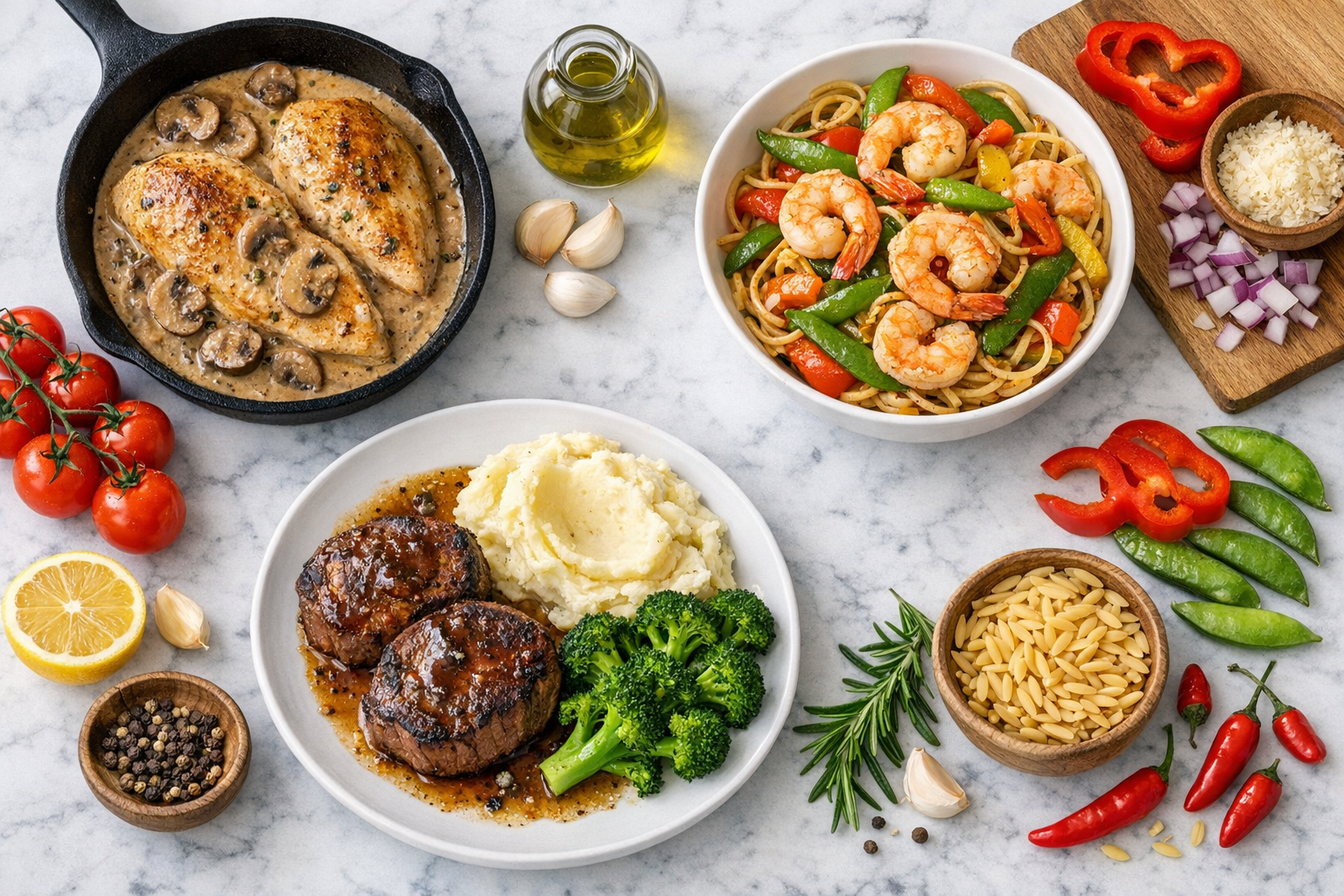
Cooking for two without leftovers can be a pleasant challenge, focusing on creating just the right amount of food with no waste. This recipe offers a balance of texture and aroma, ensuring a filling meal without the hassle of storing extras. By using precise measurements and efficient techniques, you can enjoy a fresh, perfectly portioned dinner that leaves no leftovers behind.
Why This Recipe Works
- This recipe is designed with precise portioning, ensuring you prepare just the right amount for two people, minimizing waste and maintaining the freshness of each ingredient used.
- This recipe uses a single skillet, which streamlines the cooking process by reducing the number of dishes to wash, saving time and effort in the kitchen.
- This recipe is designed to minimize waste by using precise ingredient measurements, ensuring just the right amount for two servings without leftovers, making it efficient and practical for smaller households.
- This recipe uses efficient cooking methods that allow you to prepare a meal in less than 30 minutes, making it suitable for evenings when time is limited.
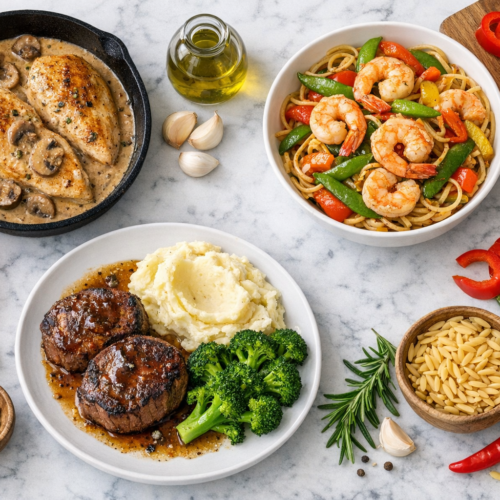
Cooking for Two Without Leftovers
Ingredients
- 2 tbsp olive oil divided
- 2 cloves garlic minced
- 1 lb chicken breasts cut into bite-sized pieces
- 1 cup cherry tomatoes halved
- 1 tsp dried oregano
- 1/2 tsp salt to taste
- 1/4 tsp black pepper freshly ground
- 1/4 cup chicken broth
- 1 tbsp lemon juice freshly squeezed
- 2 tbsp fresh parsley chopped, for garnish
Instructions
- Heat 1 tablespoon of olive oil in a large skillet over medium-high heat. Once the oil shimmers, add the chicken pieces, ensuring they are in a single layer. Cook for 4-5 minutes until the underside is golden.
- Flip the chicken pieces and cook for another 3-4 minutes until fully cooked. The chicken should reach an internal temperature of 165 F (74 C). Remove from the skillet and set aside.
- In the same skillet, heat the remaining tablespoon of olive oil over medium heat. Add minced garlic and sauté for 30 seconds, stirring constantly. Watch for the garlic to turn golden and release its aroma, ensuring it doesn't brown or burn, which can cause bitterness.
- Add cherry tomatoes to the skillet over medium heat. Cook for 3-4 minutes, stirring occasionally. Watch for the tomatoes to soften and their skins to wrinkle slightly, releasing juices that form a light sauce. The aroma should be fragrant, indicating they are ready.
- Sprinkle dried oregano, salt, and black pepper evenly over the cherry tomatoes. Stir gently to ensure even coating, allowing the spices to release their aroma. Cook over medium heat for 5 minutes, stirring occasionally, until the tomatoes soften and the spices are well integrated into the mixture.
- Add the chicken broth to the pan over medium heat, stirring continuously to deglaze. Use a wooden spoon to scrape up any browned bits stuck to the bottom, as these contribute depth to the sauce. Continue stirring until the broth is heated through and the mixture is well combined.
- Place the cooked chicken back into the skillet over medium heat. Stir gently to coat each piece thoroughly with the sauce, ensuring the chicken is evenly covered. Continue cooking for 3-4 minutes, allowing the chicken to heat through completely and absorb the flavors, until the sauce slightly thickens.
- Pour the freshly squeezed lemon juice into the skillet over medium heat. Stir continuously for about 2 minutes, ensuring the juice is evenly distributed. This will create a balanced sauce with a subtle acidity that enhances the overall flavor profile. Watch for a slight thickening and a glossy finish.
- Reduce the heat to low and let the dish gently simmer for 2-3 minutes, allowing the ingredients to blend. Stir occasionally to prevent sticking. Taste the mixture and adjust the seasoning, adding more salt or black pepper if needed, to suit your preference. Ensure the flavors are well-balanced before serving.
- Just before serving, sprinkle chopped fresh parsley over the dish. This adds a vibrant green color and a subtle herbal aroma, enhancing the overall presentation. Ensure the parsley is evenly distributed for a consistent taste in every bite. Serve the dish immediately while it's still warm to enjoy its full texture and aroma.
Notes
Pro Tips
- Opt for a heavy-gauge skillet to achieve consistent heat distribution. This minimizes the risk of uneven cooking and burning, ensuring your meal is cooked uniformly. Such skillets maintain steady temperatures, crucial for small-batch cooking without leftovers.
- To adjust a sauce that appears overly thick, gradually incorporate water, one tablespoon at a time. This method allows you to achieve the preferred consistency while maintaining the sauce’s intended flavor profile without diluting it.
- To avoid overcooking, take the skillet off the heat slightly before the food is fully cooked. The retained heat in the pan will finish the cooking process, ensuring the food reaches the desired doneness without becoming overdone.
- Toasting spices in oil before incorporating other ingredients intensifies their aroma and flavor. This process releases essential oils, which enhances the overall taste of the dish, making it more aromatic and enjoyable without increasing portion sizes.
- When cooking for two, if you accidentally add too much salt, you can counteract it by adding a small amount of lemon juice or a pinch of sugar. These ingredients help neutralize the saltiness, restoring balance to the dish.
Variations
- For a budget-friendly option, substitute chicken thighs for chicken breasts, as they are often less expensive and offer a richer taste.
- To make it vegetarian, replace chicken with firm tofu, ensuring to press and dry it well before cooking to achieve a crispy texture.
- Incorporate seasonal vegetables like zucchini or bell peppers during summer for a fresh twist, adding them in the last few minutes of cooking.
- For an Italian-inspired variation, add a tablespoon of capers and a handful of chopped olives to the sauce, enhancing the Mediterranean flavors.
Storage
If you find yourself with leftovers, place them in shallow, airtight containers and refrigerate promptly within two hours of cooking. These can be stored in the refrigerator for up to three days. For dishes that do not contain eggs, consider freezing the base for up to three months. Be aware that freezing might change the texture, resulting in a slightly softer consistency when reheated. Always ensure that reheated leftovers reach an internal temperature of 165 F (74 C) to ensure safety.
How to Reheat
To reheat leftovers, place them in a skillet over medium heat, stirring occasionally, until the internal temperature reaches 165 F (74 C). Alternatively, use a microwave by covering the dish to maintain moisture. Heat in short intervals, checking frequently to ensure even warming and prevent overcooking. Both methods help achieve a safe and enjoyable meal without compromising texture or taste.
Recommended Equipment
As an Amazon Associate, YumMinute earns from qualifying purchases. This adds no cost to you.
- Large Skillet (12 in) — Provides enough surface area for browning instead of steaming.
Related Recipes
- Crispy Skillet Leftover Mashed Potato Patties
- Microwave Only Dinner for Dorm Room Cooking
- Stretch One Chicken Breast for Two
FAQ
Can I substitute chicken with another protein?
Certainly, you can replace chicken with shrimp or firm tofu in this recipe. When using shrimp, remember it cooks rapidly, so add it during the final few minutes to prevent overcooking. For tofu, ensure you press and dry it thoroughly before cooking to achieve a crispy exterior. This substitution allows you to maintain the intended portion size without creating leftovers, making it ideal for two servings.
How can I prevent the sauce from becoming too thick?
To adjust the sauce if it becomes overly thick, incorporate a tablespoon of water or broth gradually, stirring continuously. This approach helps maintain the seasoning balance while achieving the desired consistency. Be cautious not to add too much liquid at once, as this could overly thin the sauce. Adjust slowly, tasting as you go, to ensure the sauce retains its intended flavor profile and texture.
What vegetables work well in this dish?
To enhance your meal, consider incorporating vegetables such as bell peppers, zucchini, or asparagus. These can be added towards the end of the cooking process to preserve their crispness and vibrant color. Be sure to adjust the seasoning accordingly to ensure the vegetables blend well with the existing flavors of the dish. This approach allows you to enjoy a balanced meal without creating leftovers, keeping your portions just right for two.
Is this recipe suitable for a low-sodium diet?
To adapt this recipe for a low-sodium diet, substitute regular broth with a low-sodium version and decrease the added salt. Enhance the dish’s taste by incorporating aromatic herbs and spices such as garlic, black pepper, and lemon juice to balance the reduced saltiness.
How can I ensure the chicken is cooked properly?
To ensure the chicken is cooked thoroughly, use an instant-read thermometer to check that the internal temperature reaches 165 F (74 C). After cooking, let the chicken rest for a few minutes to allow the juices to redistribute evenly, enhancing the overall texture and juiciness of the meat.
This recipe highlights the importance of portion control and efficient cooking methods, allowing you to prepare a meal that suits two people precisely, avoiding leftovers. Pay attention to balancing flavors and textures, ensuring a well-rounded and enjoyable meal. By focusing on these techniques, you can create a satisfying dining experience tailored to your needs.