
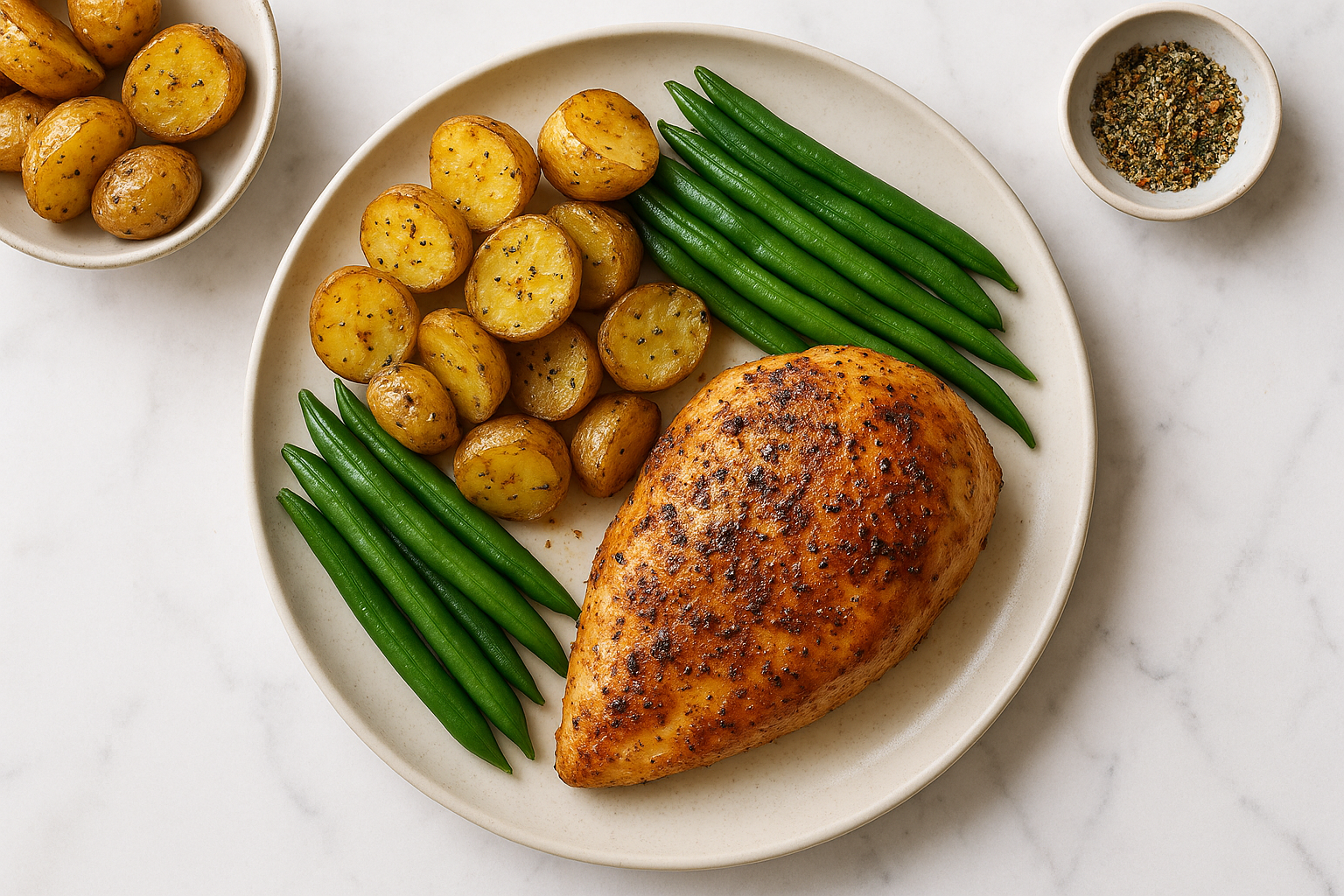
Creating a low sodium dinner that tastes good is all about balancing flavors and textures. This recipe uses fresh herbs, citrus, and aromatic spices to enhance the natural flavors of the ingredients. The dish is prepared in a single skillet, allowing the ingredients to meld together, creating a mix of tastes and aromas. By focusing on the Maillard reaction to develop a rich, savory crust on the protein, this meal offers a satisfying experience without relying on excessive salt.
Why This Recipe Works
- Fresh herbs and citrus provide a bright flavor, compensating for the reduced salt content while keeping the dish vibrant and aromatic.
- The use of a single skillet minimizes cleanup and allows flavors to meld, enhancing the overall taste and texture of the dish.
- Searing the protein creates a savory crust through the Maillard reaction, enhancing depth and complexity of flavor without increasing sodium content, making it suitable for a low-sodium diet.
- The combination of cumin and paprika provides depth and complexity, enhancing the dish’s appeal without relying on additional sodium for flavor.
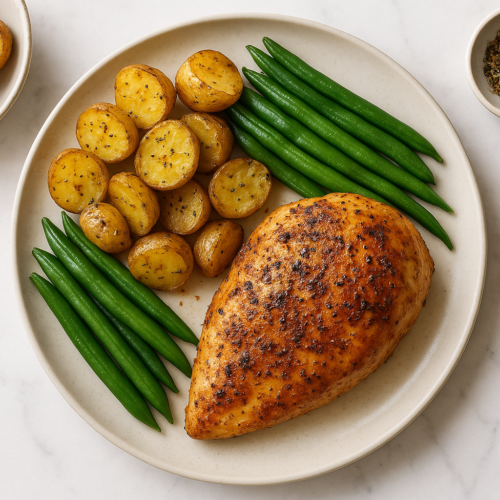
Low Sodium Chicken Skillet
Ingredients
- 2 tbsp olive oil divided
- 1 lb chicken breasts boneless, skinless
- 1 tsp ground cumin
- 1 tsp smoked paprika
- 1 tsp black pepper freshly ground
- 1 cup cherry tomatoes halved
- 1 cup zucchini sliced
- 1 cup low-sodium chicken broth
- 2 tbsp lemon juice freshly squeezed
- 2 tbsp fresh parsley chopped
Instructions
- Heat 1 tablespoon of olive oil in a large skillet over medium-high heat until shimmering. Add the chicken breasts, seasoned with cumin, smoked paprika, and black pepper. Sear for 4-5 minutes on each side until golden brown and the internal temperature reaches 145 F.
- Remove the chicken from the skillet and set aside. Add the remaining tablespoon of olive oil to the skillet, followed by the cherry tomatoes and zucchini. Cook for 3-4 minutes, stirring occasionally, until the vegetables are tender and slightly charred.
- Pour in the low-sodium chicken broth, scraping up any browned bits from the bottom of the skillet. This deglazing step adds depth to the sauce and prevents sticking. Let it simmer for 5 minutes until slightly reduced.
- Return the chicken to the skillet, nestling it among the vegetables. Cover and cook for an additional 5 minutes over medium heat, allowing the flavors to meld and the chicken to heat through.
- Add the lemon juice to the skillet, stirring gently to combine. The acidity from the lemon brightens the dish and balances the savory flavors. Taste and adjust seasoning if necessary, keeping in mind the low sodium goal.
- Sprinkle the fresh parsley over the dish just before serving. The herbs add a fresh, aromatic note that complements the warm spices and citrus. Serve immediately for the best texture and flavor.
- To achieve a thicker sauce consistency, carefully remove the chicken breasts from the pan. Allow the sauce to simmer uncovered over medium heat for an additional 3-4 minutes. Stir occasionally to prevent sticking and ensure the sauce thickens evenly, developing a rich, concentrated flavor.
- If the dish appears dry during cooking, gradually add a small amount of water or low-sodium chicken broth. Stir gently to incorporate the liquid, ensuring even distribution. This step helps maintain moisture levels without adding extra sodium, resulting in tender chicken and vegetables. Monitor closely to avoid overcooking.
- To ensure the chicken breasts are cooked properly, insert an instant-read thermometer into the thickest part. The internal temperature should reach 145 F. Allow the chicken to rest for 3 minutes after removing from heat, which helps redistribute juices and maintain tenderness.
- Present the dish alongside a serving of steamed vegetables or a basic salad to round out the meal. These fresh sides complement the main course, enhancing its appeal without contributing additional sodium to the overall dish.
Notes
Pro Tips
- Opt for a heavy-gauge skillet to promote uniform heat distribution. This ensures the protein browns evenly, enhancing the dish’s depth without relying on excess salt. The Maillard reaction creates complex flavors, making the meal more satisfying.
- To ensure your protein is cooked just right, use an instant-read thermometer. This tool helps you verify that the internal temperature reaches 145 F, followed by a 3-minute rest, preventing overcooking and maintaining optimal texture.
- To enhance the overall taste without adding salt, add a squeeze of fresh lemon juice just before serving. The acidity from the lemon brightens the dish and complements the savory elements, creating a more satisfying flavor profile.
- To enhance moisture in your dish without increasing sodium, incorporate a small amount of water or low-sodium broth. This helps maintain the desired texture and prevents the meal from becoming overly dry, ensuring a satisfying dining experience.
- To achieve a thicker sauce, allow the liquid to simmer over medium heat. Stir occasionally to prevent sticking and promote even thickening, which enhances the sauce’s texture without adding extra sodium, maintaining the dish’s low-sodium profile.
Variations
- For a budget-friendly option, substitute chicken thighs for chicken breasts, which are often more affordable and still provide a rich flavor.
- To make this dish vegetarian, replace the chicken with firm tofu, ensuring to press it well before cooking to remove excess moisture.
- Incorporate seasonal vegetables like zucchini or bell peppers for a fresh twist, adding them in the last few minutes of cooking to retain their crunch.
- For a Mediterranean-inspired variation, add a handful of olives and a sprinkle of feta cheese, keeping in mind these ingredients will increase the sodium content.
Storage
To store leftovers, place them in shallow, airtight containers and refrigerate within two hours of cooking to ensure safety. They can be kept in the refrigerator for up to three days. For extended storage, freeze the meal without the protein for up to three months. When ready to serve, add fresh protein to preserve the desired texture. Be aware that freezing may alter the texture of some vegetables, making them softer once thawed. Always reheat leftovers containing meat, poultry, seafood, eggs, or rice to an internal temperature of 165°F (74°C) before serving.
How to Reheat
To reheat leftovers, place them in a skillet over medium heat, adding a splash of water to maintain moisture. Stir occasionally until the food is thoroughly warmed and reaches an internal temperature of 165 F (74 C). Alternatively, use a microwave on medium power. Cover the dish and heat for 2-3 minutes, stirring halfway to ensure even warming.
Related Recipes
- Quick Skillet Chicken Dinner for Unthawed Chicken
- Microwave Only Dinner for Dorm Room Cooking
- Instant Rice Dinner in 20 Minutes
FAQ
Can I use salt substitutes in this recipe?
Yes, salt substitutes can be used, but it’s important to choose ones that complement the dish’s flavor profile. Potassium chloride-based substitutes are common, but they may have a slightly metallic taste. Start with a small amount and adjust to taste.
How can I make this dish spicier?
To increase the heat, add a pinch of red pepper flakes or a dash of cayenne pepper. These spices will enhance the dish’s warmth without adding sodium. Adjust the amount based on your heat preference, and taste as you go to avoid overpowering the other flavors.
What can I serve with this low sodium dinner?
Pair this dish with a side of steamed vegetables or a simple green salad dressed with lemon juice and olive oil. These sides complement the main dish without adding extra sodium. Whole grain rice or quinoa are also great options for a more filling meal.
How do I prevent the chicken from drying out?
To keep the chicken moist, avoid overcooking by using an instant-read thermometer to check the internal temperature. Rest the chicken for 3 minutes after cooking to allow juices to redistribute. Cooking over medium heat and not overcrowding the pan also helps retain moisture.
Can I prepare this dish in advance?
Yes, you can prepare the components in advance. Marinate the chicken and chop the vegetables a day ahead, storing them separately in the fridge. Cook the dish just before serving to ensure the best texture and flavor. This method saves time while maintaining quality.
This recipe emphasizes the significance of incorporating fresh herbs and spices to enhance flavor without the need for salt. By mastering techniques like searing and balancing acidity, you can craft a low sodium dinner that is both enjoyable and satisfying. These methods ensure a well seasoned meal without compromising on health.