
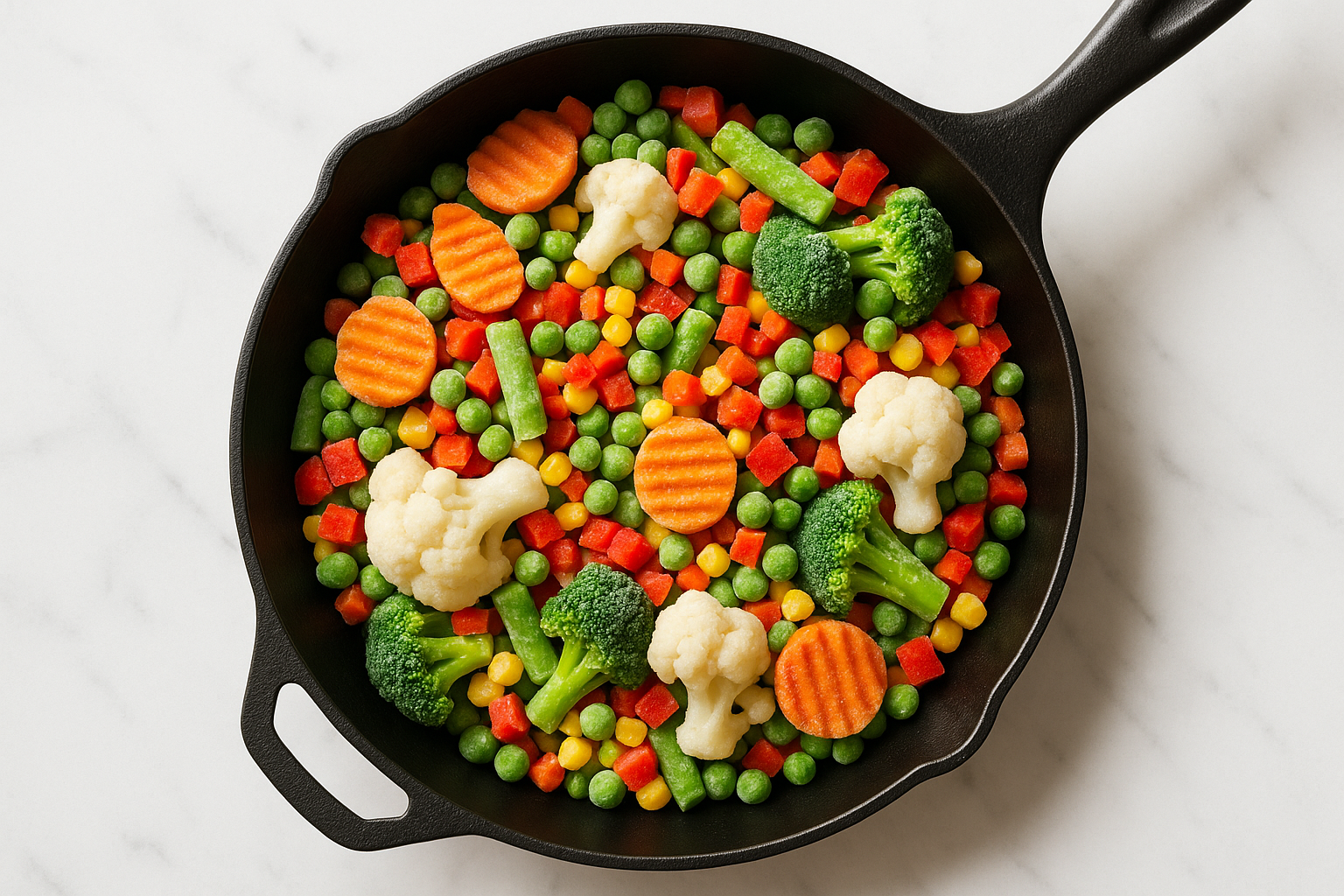
A frozen vegetables dinner skillet provides a quick and convenient way to add vibrant colors and textures to your meal. The appeal lies in the rapid transformation of frozen produce into a sizzling, aromatic dish. As the vegetables thaw and cook, they release their natural juices, creating a rich base. The gentle sizzle of the skillet signals the melding of ingredients, while the dish reaches your plate in just 25 minutes, leaving minimal cleanup. This recipe suits evenings when time is limited, yet a wholesome meal is desired.
Why This Recipe Works
- Using frozen vegetables reduces prep time significantly, as they are pre-washed and chopped, allowing you to focus on cooking rather than preparation.
- The skillet method ensures even cooking and helps develop a slight char on the vegetables, enhancing their natural sweetness and adding depth to the dish.
- Incorporating a variety of vegetables not only boosts the nutritional value but also provides a range of textures, from crisp to tender, in each bite.
- A single skillet minimizes cleanup and maximizes flavor, as the ingredients cook together, allowing the flavors to meld and create a cohesive dish.
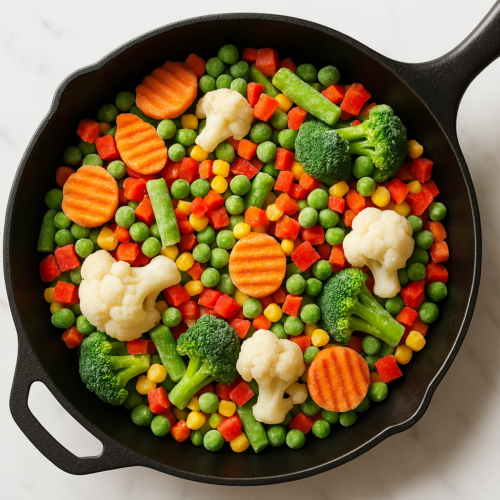
Frozen Vegetables Dinner Skillet
Ingredients
- 2 tbsp olive oil
- 1 lb frozen mixed vegetables such as peas, carrots, and corn
- 1 cup cooked chicken breast diced
- 1 tsp garlic powder
- 1 tsp onion powder
- 1 tsp dried thyme
- 1/2 tsp salt adjust to taste
- 1/4 tsp black pepper freshly ground
- 1 tbsp lemon juice freshly squeezed
- 1/4 cup parmesan cheese grated, optional
Instructions
- Heat a large skillet over medium-high heat. Add olive oil and let it shimmer before adding the frozen vegetables. Stir occasionally, allowing them to thaw and begin to brown slightly, about 5-7 minutes.
- Add diced cooked chicken to the skillet, stirring to combine with the vegetables. Cook for an additional 3-4 minutes, allowing the chicken to heat through and the flavors to meld.
- Evenly sprinkle garlic powder, onion powder, and dried thyme over the skillet contents. Stir thoroughly to ensure the vegetables and chicken are well-coated. As the spices heat, they will release a warm, inviting aroma. Continue stirring for about 2 minutes, allowing the flavors to meld and the fragrance to develop fully.
- Sprinkle salt and freshly ground black pepper over the skillet, stirring gently to combine. Taste the mixture, adjusting the seasoning if necessary to achieve your desired balance. Ensure the vegetables are evenly coated and the flavors are well-integrated, providing a harmonious taste throughout the dish.
- Continue cooking over medium heat until the vegetables reach a tender-crisp texture and the chicken is thoroughly heated. Listen for a gentle sizzle, which indicates moisture is evaporating and the ingredients are cooking evenly. Stir occasionally to prevent sticking and ensure even cooking throughout the skillet.
- Once the vegetables and chicken are cooked through and have a slight golden hue, remove the skillet from the heat. Drizzle with freshly squeezed lemon juice, ensuring even coverage. This citrus touch enhances the overall aroma and balances the savory flavors, providing a refreshing contrast to the dish.
- Sprinkle grated parmesan cheese evenly over the skillet's contents. Cover the skillet with a lid for about two minutes, allowing the cheese to soften and meld with the vegetables and chicken. The cheese should become slightly gooey, enhancing the overall texture and providing a subtle, savory finish.
- Gently stir the mixture over medium heat for about 2 minutes, ensuring the lemon juice is evenly distributed. This helps the cheese melt smoothly, coating the vegetables and chicken. Watch for a slight sheen on the surface, indicating the ingredients are well combined and ready to serve.
- Transfer the skillet mixture to a serving dish while still hot, ensuring the colors remain vibrant and appealing. The enticing aroma will fill the room, creating a welcoming atmosphere. Serve immediately to maintain the ideal temperature and texture, allowing everyone to enjoy the meal at its best.
- Sprinkle additional black pepper over the skillet to enhance the aroma and add a subtle kick. This step not only boosts the dish's visual appeal with a speckled finish but also complements the existing flavors. Serve immediately to enjoy the warm, inviting aroma and the vibrant colors of the vegetables.
Notes
Pro Tips
- For a more pronounced flavor, toast any spices in the oil before adding the vegetables. This releases the spices’ essential oils, enhancing their aroma and taste.
- To avoid a soggy dish from excess water released by frozen vegetables, raise the heat slightly. This encourages evaporation, allowing the vegetables to cook properly and maintain a more appealing texture without becoming overly soft or mushy.
- For optimal results, preheat the skillet thoroughly before adding oil and vegetables. This step helps create a temporary non-stick surface, reducing the likelihood of food sticking and ensuring the vegetables brown evenly and develop a pleasant texture.
- If you find the dish too bland, a squeeze of lemon juice at the end can brighten the flavors, adding a fresh contrast to the cooked vegetables.
- To maintain a crisp-tender texture in your vegetables, consider reducing the cooking time or increasing the heat. This approach helps prevent overcooking, which can lead to a mushy consistency, by allowing the vegetables to cook quickly and retain their structure.
Variations
- For a budget-friendly option, use store-brand frozen vegetables and add extra beans for protein, reducing the need for pricier ingredients.
- To make this dish vegan, ensure any added sauces or seasonings are plant-based, and substitute nutritional yeast for cheese, if desired.
- Incorporate seasonal fresh vegetables like zucchini or bell peppers to complement the frozen mix, adding a fresh, crisp element to the dish.
- For an Asian-inspired variation, add soy sauce and sesame oil, and increase the ginger and garlic to enhance the dish’s aromatic profile.
Storage
Store leftovers in shallow airtight containers and refrigerate within two hours of cooking. They will keep for up to 3 days. For longer storage, freeze the vegetables in a single layer on a baking sheet before transferring them to a freezer-safe bag. This prevents clumping and allows them to be stored for up to 3 months. Note that freezing may slightly alter the texture, making the vegetables softer upon reheating.
How to Reheat
To reheat, place the skillet over medium heat and stir occasionally until the vegetables are heated through, ensuring the center reaches 165 F (74 C). Alternatively, microwave on medium power in a covered dish, stirring halfway through to distribute heat evenly and prevent drying.
Related Recipes
- Quick Dinner Using Only One Burner
- Microwave Only Dinner for Dorm Room Cooking
- Quick Chicken Dinner When You Forgot to Thaw Chicken
FAQ
Can I use fresh vegetables instead of frozen?
Certainly, fresh vegetables can replace frozen ones in this skillet recipe. Keep in mind that fresh vegetables often cook more quickly than their frozen counterparts. Begin by sautéing the firmer vegetables, such as carrots or broccoli, to ensure they soften properly. Once they start to tenderize, incorporate the more delicate vegetables, like spinach or bell peppers, to avoid them becoming too soft. Adjust the cooking time accordingly to achieve the desired texture for each vegetable.
What protein can I add to this skillet dish?
You can add cooked chicken, tofu, or beans to this skillet for extra protein. If using raw chicken, cook it first until it reaches an internal temperature of 165 F (74 C) before adding the vegetables, ensuring safety and even cooking.
How can I prevent the vegetables from becoming mushy?
To achieve a crisp-tender texture with frozen vegetables, cook them over medium-high heat, ensuring the skillet is not overcrowded. Stir the vegetables occasionally to ensure they cook evenly. Once they reach your preferred level of doneness, promptly remove them from the heat to avoid overcooking. This method helps maintain their texture and prevents them from becoming too soft or mushy.
Is this recipe suitable for a low-sodium diet?
Certainly, you can prepare a low-sodium version by selecting unsalted frozen vegetables and either reducing or completely omitting any added salt. Choose low-sodium soy sauce or other low-sodium seasonings. To enhance the dish’s taste without relying on salt, incorporate a variety of herbs and spices such as garlic, onion powder, black pepper, or paprika. These alternatives can provide depth and complexity to the dish while keeping sodium levels in check.
Can I prepare this dish ahead of time?
While this dish is best served fresh, you can prepare the components ahead. Chop any additional fresh vegetables and cook any proteins in advance. Store them separately, then combine and reheat in the skillet just before serving to retain texture and flavor.
Mastering the balance of heat and timing is crucial for this frozen vegetables dinner skillet. Cooking over medium-high heat while stirring occasionally allows the vegetables to develop a pleasing variety of textures. This method results in a meal that is both efficient and requires minimal cleanup.