
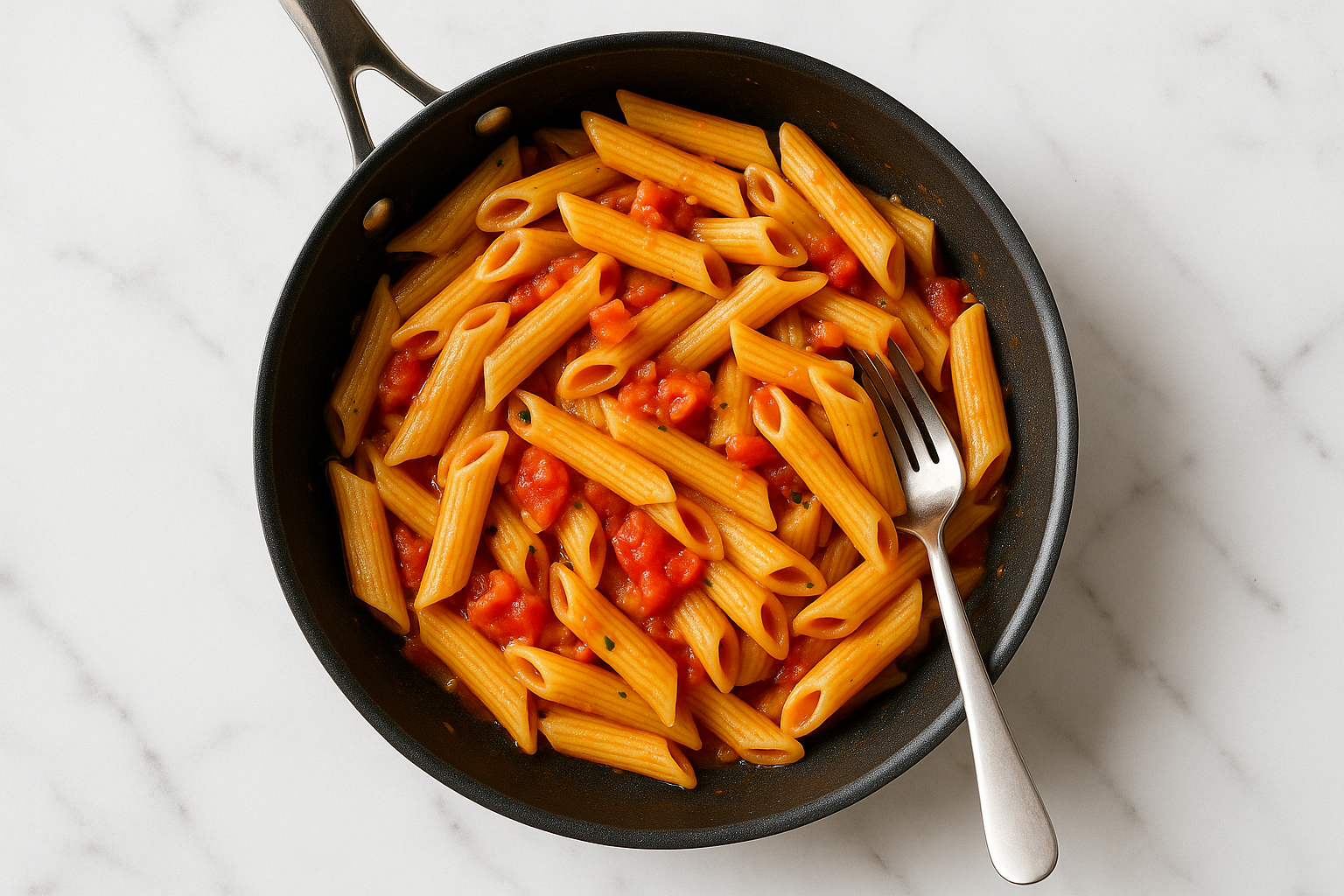
For those nights when you crave pasta but don’t want leftovers, this single serving pasta stovetop recipe is the answer. The pasta cooks directly in the sauce, absorbing flavors and creating a creamy texture without the need for cream. The aroma of sautéed garlic and simmering tomatoes fills the kitchen, while the entire dish comes together in under 30 minutes, making it perfect for a quick meal with minimal cleanup.
Why This Recipe Works
- Cooking pasta directly in the sauce allows it to absorb flavors, resulting in a more cohesive dish without the need for additional cream or cheese.
- Cooking pasta in a single skillet allows the starches to thicken the sauce naturally, enhancing the texture and ensuring the pasta absorbs the sauce evenly for a cohesive dish.
- Sautéing garlic until it turns pale gold releases its nutty aroma, which forms the base of the sauce and enhances the overall taste.
- Gently simmering the tomatoes allows them to break down gradually, enhancing their natural sweetness and thickening the sauce naturally, eliminating the need for additional thickening agents or artificial additives.
Single Serving Stovetop Pasta
Ingredients
- 2 tbsp olive oil
- 2 cloves garlic minced
- 1 cup cherry tomatoes halved
- 1 cup dry pasta such as penne or fusilli
- 1 cup water
- 1 tsp dried basil
- 1/4 tsp salt
- 1/4 tsp black pepper
- 1/4 cup Parmesan cheese grated
- 1 tbsp fresh parsley chopped, for garnish
Instructions
- Heat olive oil in a large skillet over medium heat. Add minced garlic and sauté until it turns pale gold, releasing a nutty aroma. Be careful not to let it burn, which would impart a bitter taste.
- Add halved cherry tomatoes to the skillet. Cook for 3-4 minutes, stirring occasionally, until they soften and begin to break down, releasing their natural juices and creating a base for the sauce.
- Stir in dry pasta, ensuring it is well coated with the tomato mixture. This step helps the pasta absorb the flavors as it cooks, enhancing the overall taste of the dish.
- Pour in water and add dried basil, salt, and black pepper. Stir to combine, then bring to a simmer. Cover the skillet and cook for 10-12 minutes, stirring occasionally to prevent sticking.
- Check the pasta for doneness by tasting a piece. It should be al dente, with a slight bite. If undercooked, add a bit more water and continue cooking until the desired texture is reached.
- Once the pasta is cooked, remove the lid and increase the heat slightly to allow any excess liquid to evaporate. Stir frequently to prevent the pasta from sticking to the skillet.
- Lower the heat to a gentle simmer and incorporate the grated Parmesan cheese, stirring continuously. Allow the cheese to melt slowly, blending smoothly into the sauce. This will result in a creamy consistency that adheres to the pasta, ensuring each strand is evenly coated and rich in texture.
- Taste and adjust seasoning with additional salt and pepper if needed. The flavors should be balanced, with a hint of sweetness from the tomatoes and a savory depth from the cheese.
- Take the skillet off the heat and allow it to rest for one minute. This pause helps the ingredients integrate, enhancing the overall texture and aroma. The brief resting time ensures the pasta absorbs the sauce, resulting in a cohesive dish with balanced flavors.
- Sprinkle chopped fresh parsley over the pasta just before serving. This final touch introduces a bright, herbal aroma and a pop of green color, enhancing the dish's visual appeal. The parsley's crisp texture and subtle flavor provide a refreshing contrast to the pasta, balancing the overall taste and presentation.
Notes
Pro Tips
- Stirring pasta occasionally during cooking helps prevent it from sticking together. This is particularly important in the initial minutes, as the starches released can cause clumping. Regular stirring ensures even cooking and separates the strands effectively.
- To adjust a sauce that thickens excessively, incorporate a small amount of reserved pasta water. The starch in this water aids in achieving a smooth texture, ensuring the sauce coats the pasta evenly without becoming overly diluted.
- Opt for a heavy-bottomed skillet when cooking pasta on the stovetop. This type of pan distributes heat evenly, minimizing the risk of hot spots that can cause uneven cooking or burning, ensuring a more consistent result.
- If the pasta is undercooked after the sauce has thickened, add a bit more water and continue to simmer until the desired texture is reached.
- Toasting garlic in olive oil until it turns a light golden color before incorporating other ingredients intensifies the sauce’s complexity. This process releases aromatic compounds, adding a nuanced layer to the overall dish.
Variations
- For a budget-friendly version, use canned tomatoes and dried herbs. These pantry staples are cost-effective and still deliver great taste.
- To make it vegetarian, omit the Parmesan cheese or use a plant-based alternative. This keeps the dish plant-friendly without sacrificing flavor.
- In summer, substitute fresh basil for dried herbs. This seasonal change adds a burst of freshness and complements the tomatoes beautifully.
- For an Italian-inspired twist, add a pinch of red pepper flakes and a splash of balsamic vinegar. This adds a subtle heat and tanginess to the dish.
Storage
To preserve any leftover single serving stovetop pasta, place it in shallow, airtight containers and refrigerate promptly within two hours of cooking. These leftovers can be safely stored in the refrigerator for up to three days. Freezing the pasta itself is not advisable, as it may become overly soft when thawed. However, you can freeze the sauce separately in airtight containers for up to three months. When you’re ready to enjoy the dish again, prepare fresh pasta and reheat the sauce to 165°F (74°C) before combining them for serving.
How to Reheat
To reheat your single serving pasta, place it in a skillet over medium heat. Add a splash of water to maintain moisture, stirring occasionally until evenly warmed. Alternatively, use a microwave-safe dish, cover it, and heat on medium power. Stir halfway through the process, ensuring the pasta reaches an internal temperature of 165 F (74 C) for safe consumption.
Recommended Equipment
As an Amazon Associate, YumMinute earns from qualifying purchases. This adds no cost to you.
- Cast Iron Skillet (12 in) — Provides enough surface area for browning instead of steaming.
Related Recipes
FAQ
Can I use whole wheat pasta?
Yes, whole wheat pasta can be used in this recipe. It may require slightly more liquid and a longer cooking time. Monitor the texture and add water as needed to ensure the pasta cooks evenly and doesn’t become too dry.
What if I don’t have fresh garlic?
If you don’t have fresh garlic on hand, you can use 1/4 teaspoon of garlic powder as a substitute. Add it at the same point in the recipe where fresh garlic would be included. Remember, garlic powder is more concentrated, so you might want to start with a smaller amount and adjust according to your preference. Taste as you go to ensure the flavor suits your liking.
How can I make this dish spicier?
To increase the spice level, add a pinch of red pepper flakes or a dash of hot sauce when sautéing the garlic. These additions will infuse the dish with heat without overpowering the other flavors. Adjust the amount to suit your preference.
Is it possible to add protein to this dish?
Yes, you can add cooked protein such as grilled chicken, shrimp, or tofu. Add it during the last few minutes of cooking to warm it through. This addition turns the pasta into a more filling meal without altering the cooking process significantly.
What type of skillet should I use?
A heavy-bottomed skillet, such as cast iron or stainless steel, is ideal for this recipe. It provides even heat distribution, preventing hot spots that can cause burning. Ensure the skillet is large enough to accommodate the pasta and sauce comfortably.
The key to this single serving stovetop pasta is cooking the pasta directly in the sauce, allowing it to absorb flavors and create a creamy texture. This technique, combined with minimal cleanup, makes it a practical choice for a quick meal.